Manzanillo
Gandoca
Cahuita
BriBri
Puerto Viejo
Tortuguero
Alta Talamanca
Gandoca Manzanillo Wildlife Refuge
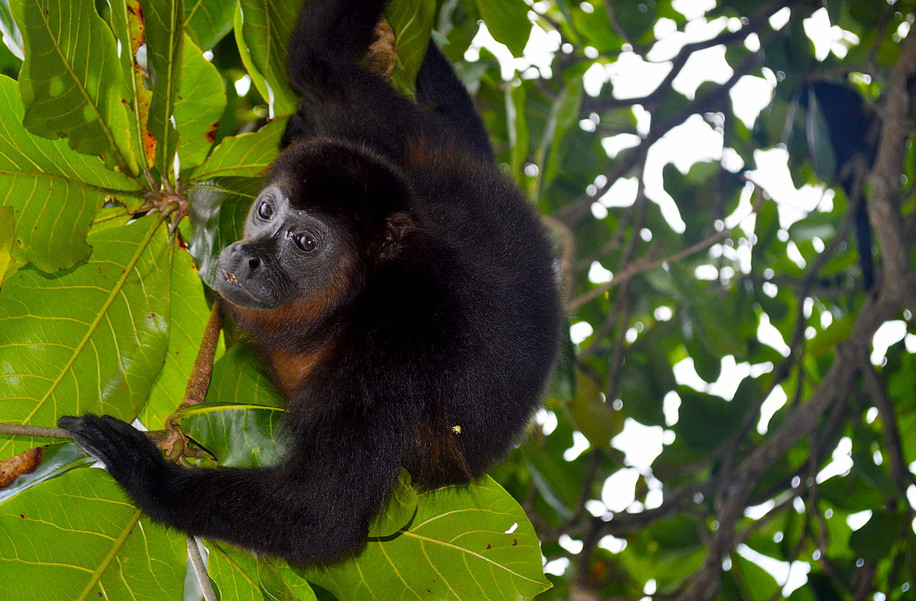
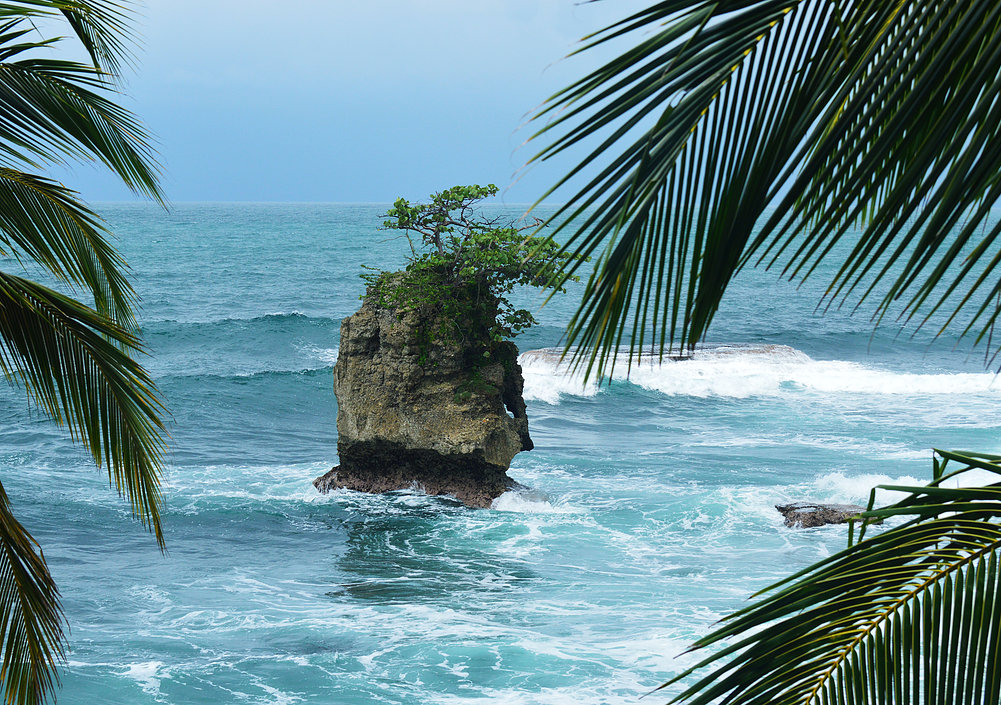
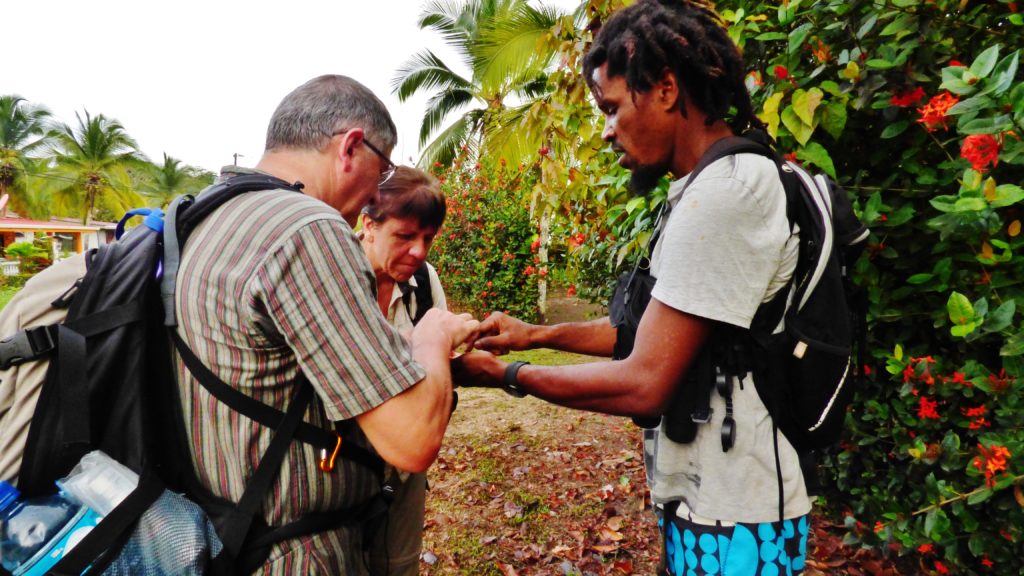
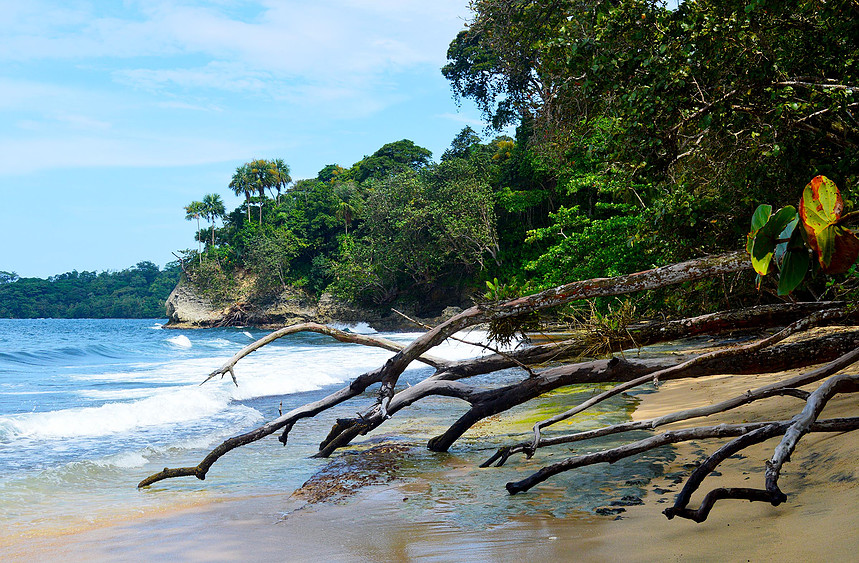
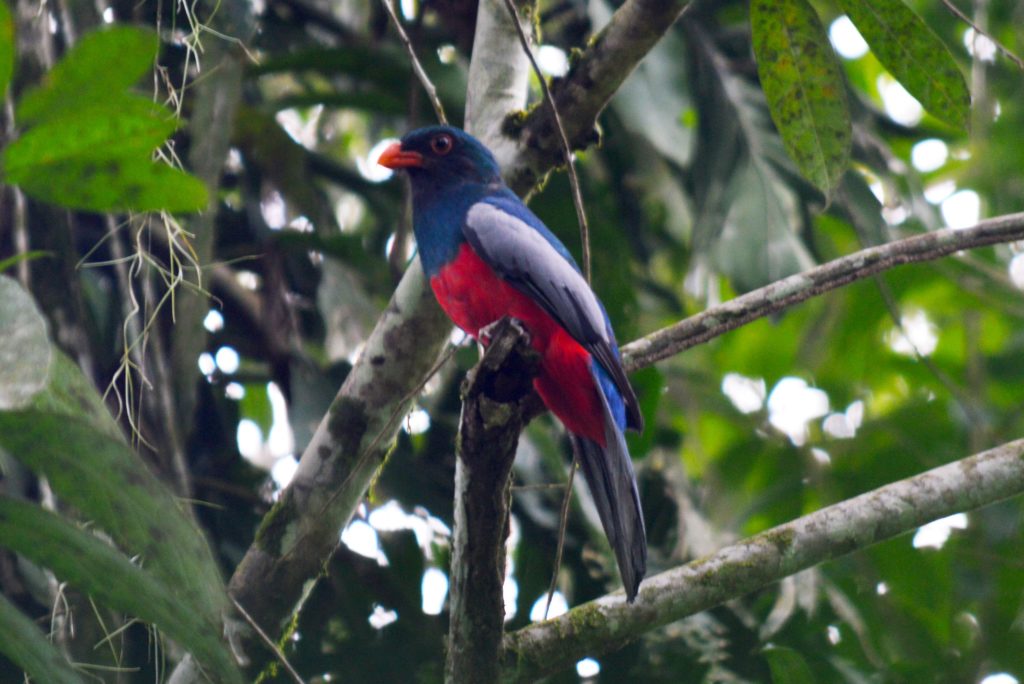
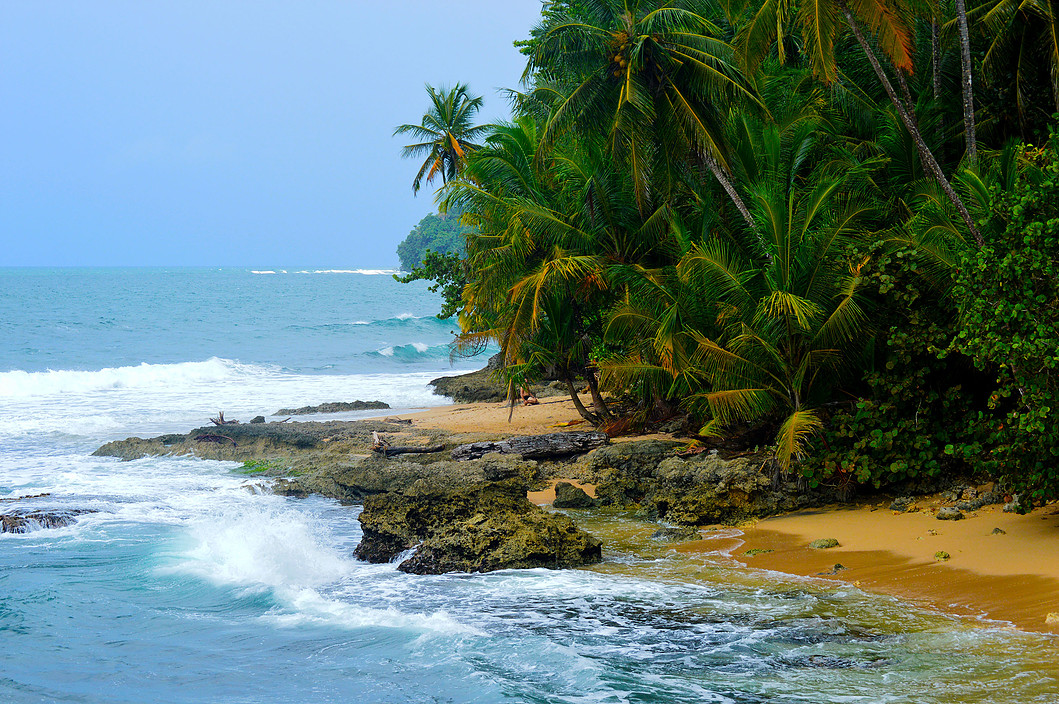
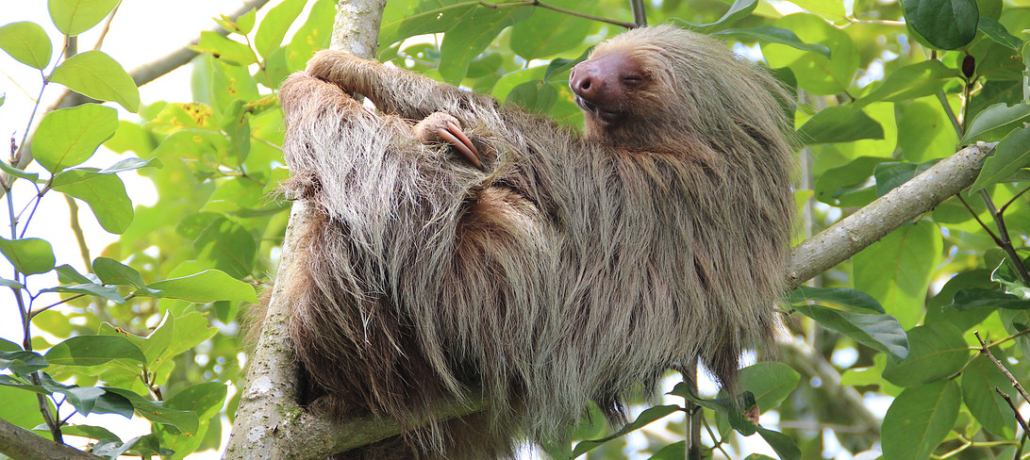

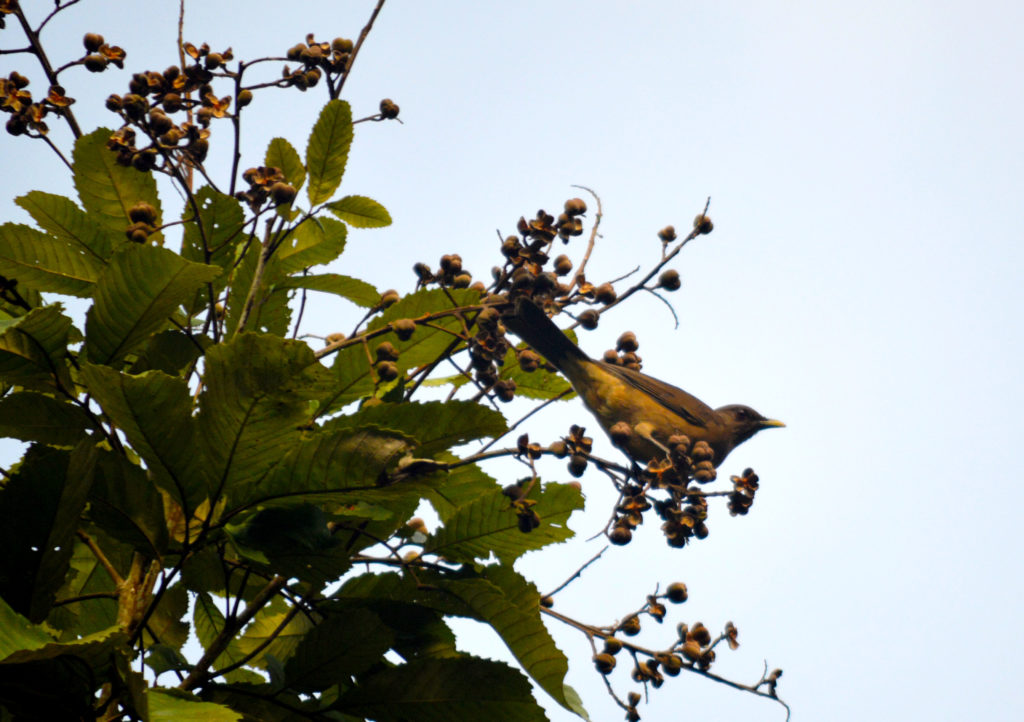
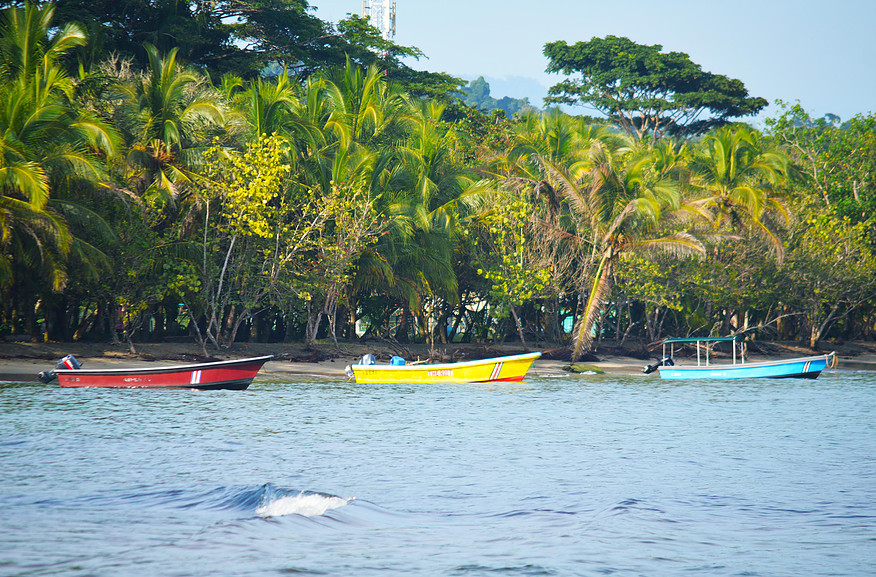
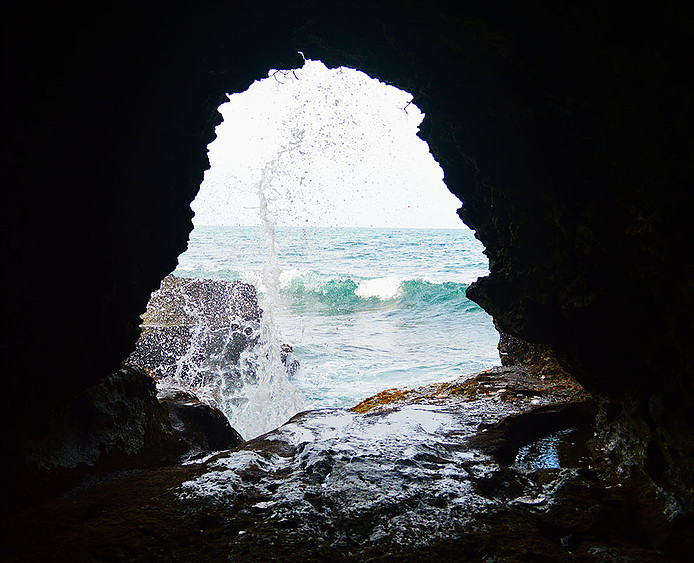
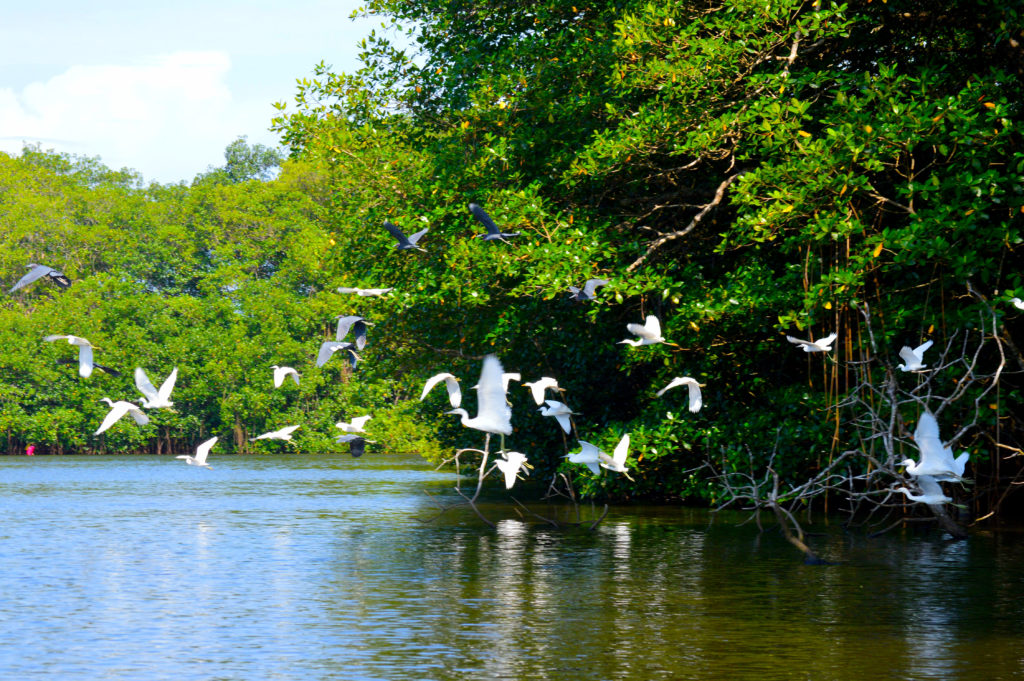
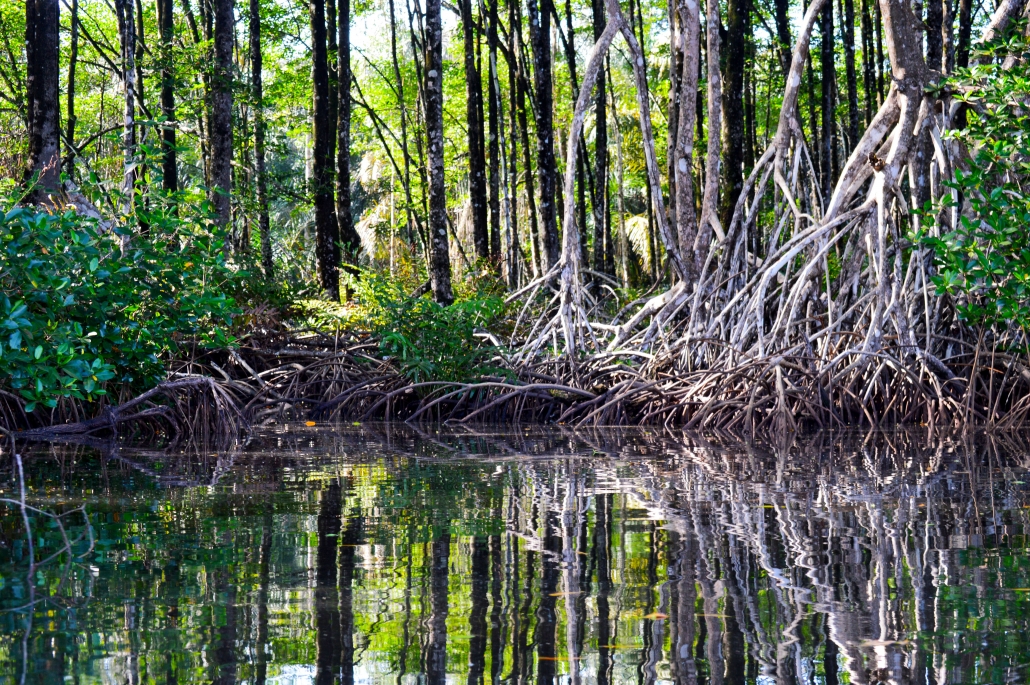
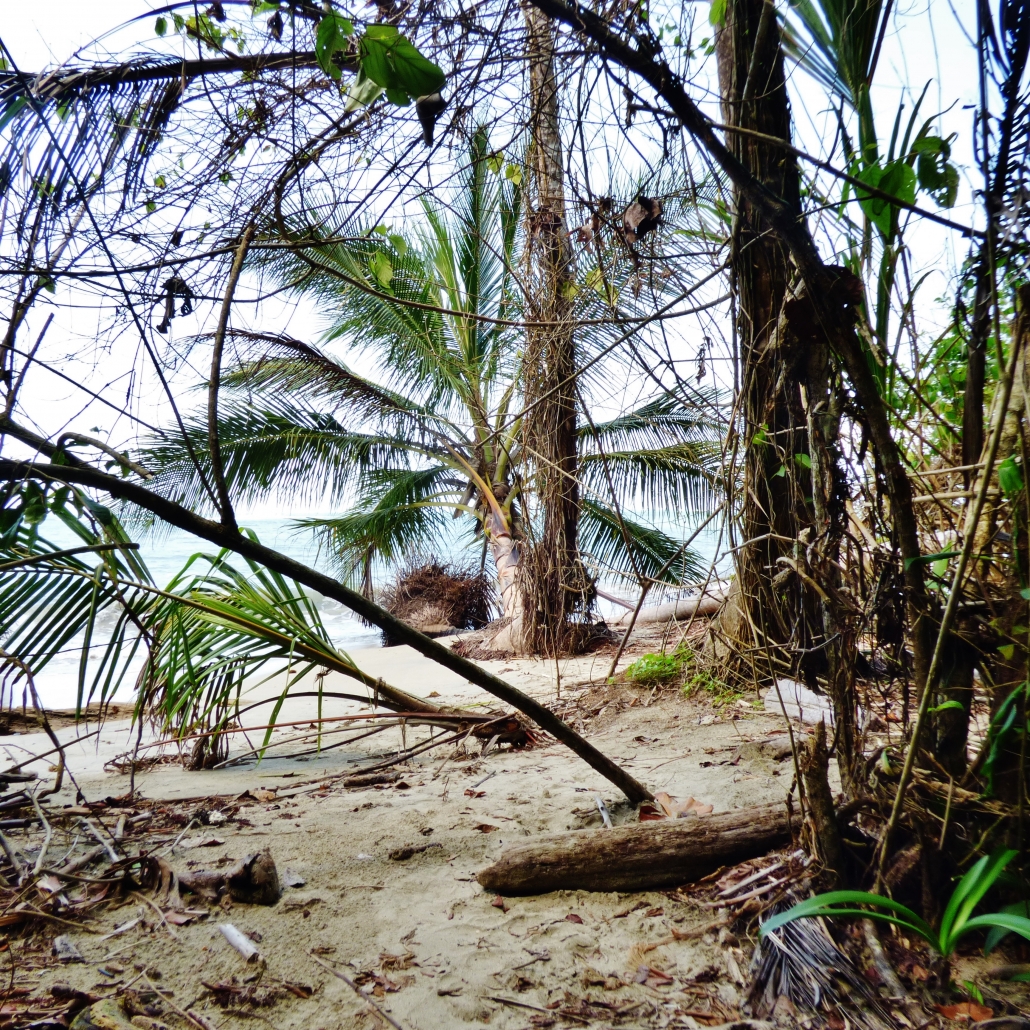
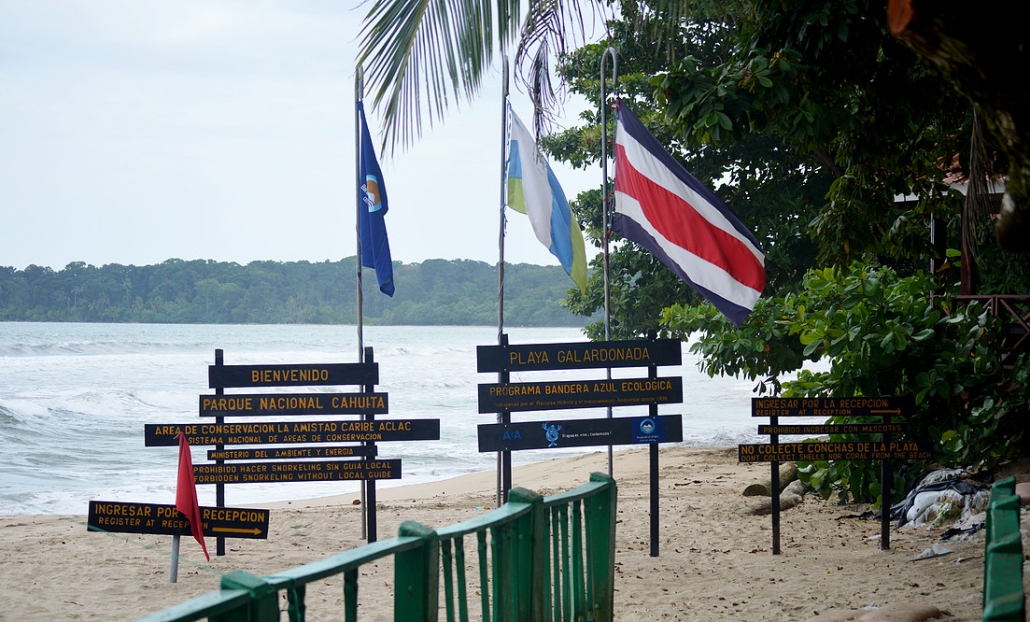
Created in 1985, the Gondola Manzanillo Wildlife Refuge was original and the first one of its kind to integrate the people whose traditional lifestyle has always been to care for their natural environment, this protected area covers both marine (4,436 hectares) and coastal land areas (5,013 hectares) with some residential/ecotourism zones and most areas designated for conservation. Stretching from the Cocles river south of Puerto Viejo down the coast to the Sixaola River at the Panamanian border, it protects unique ecosystems including: the only Orey (Campnosperma panamensis) swamp north of Panama; the only mangrove forest on Costa Rica’s Caribbean shores; a 300-hectare Cativo (Prioria copaifera) forest, and coral reefs.
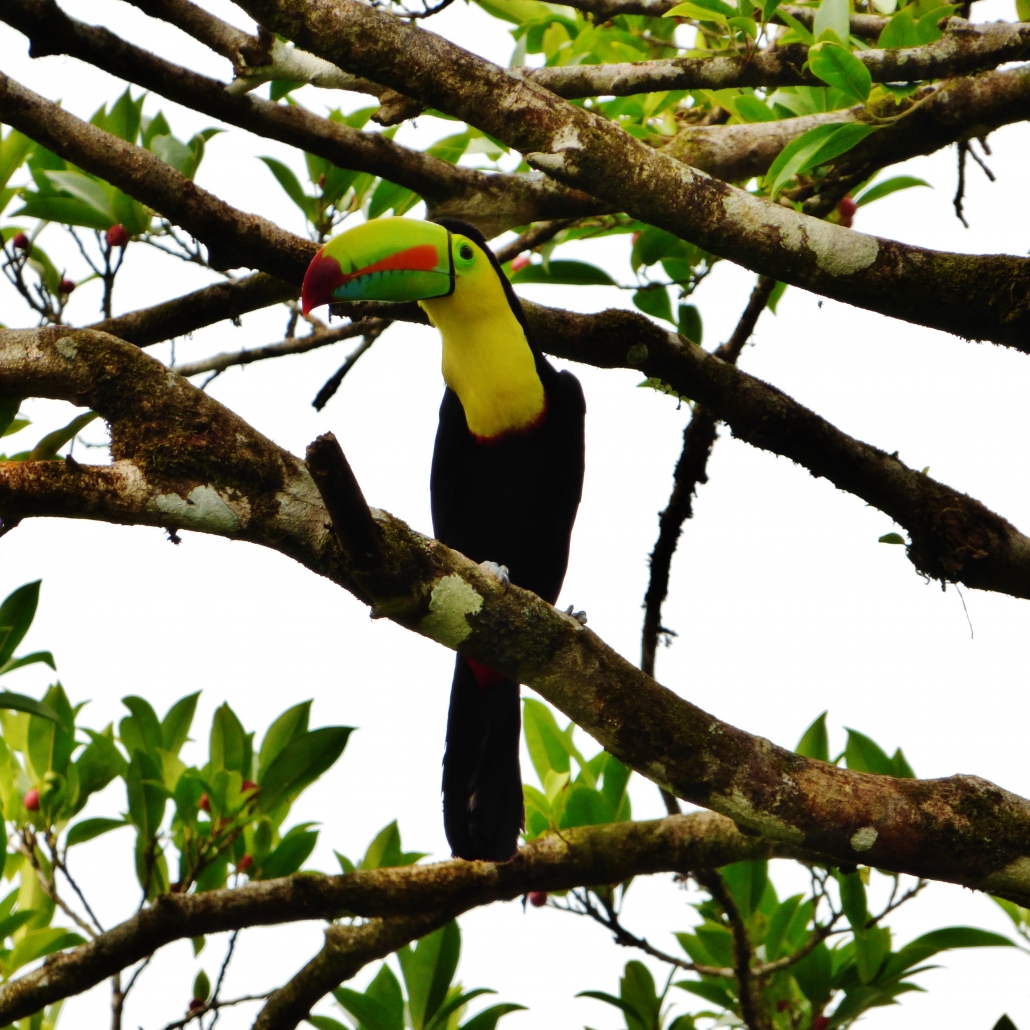
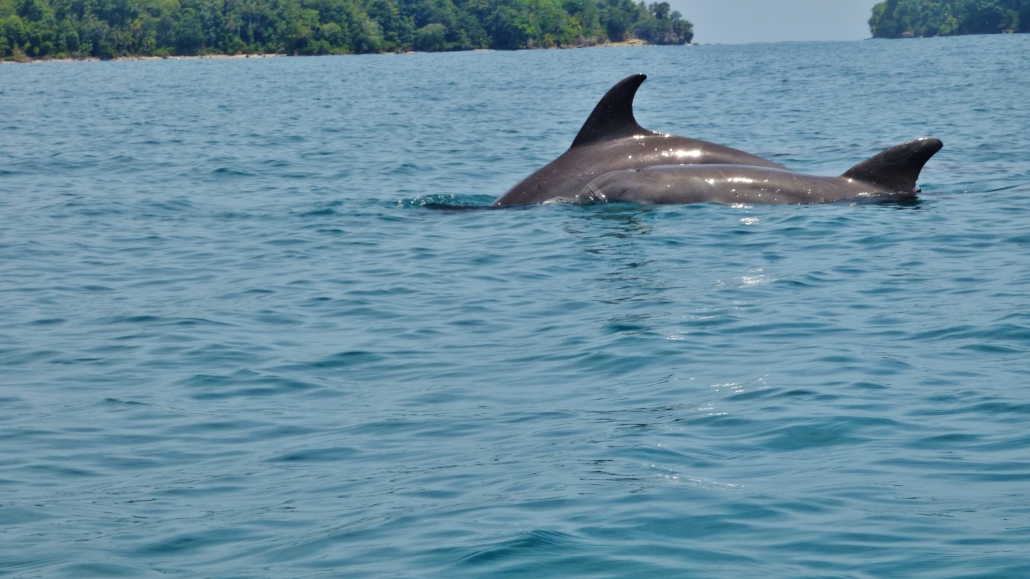
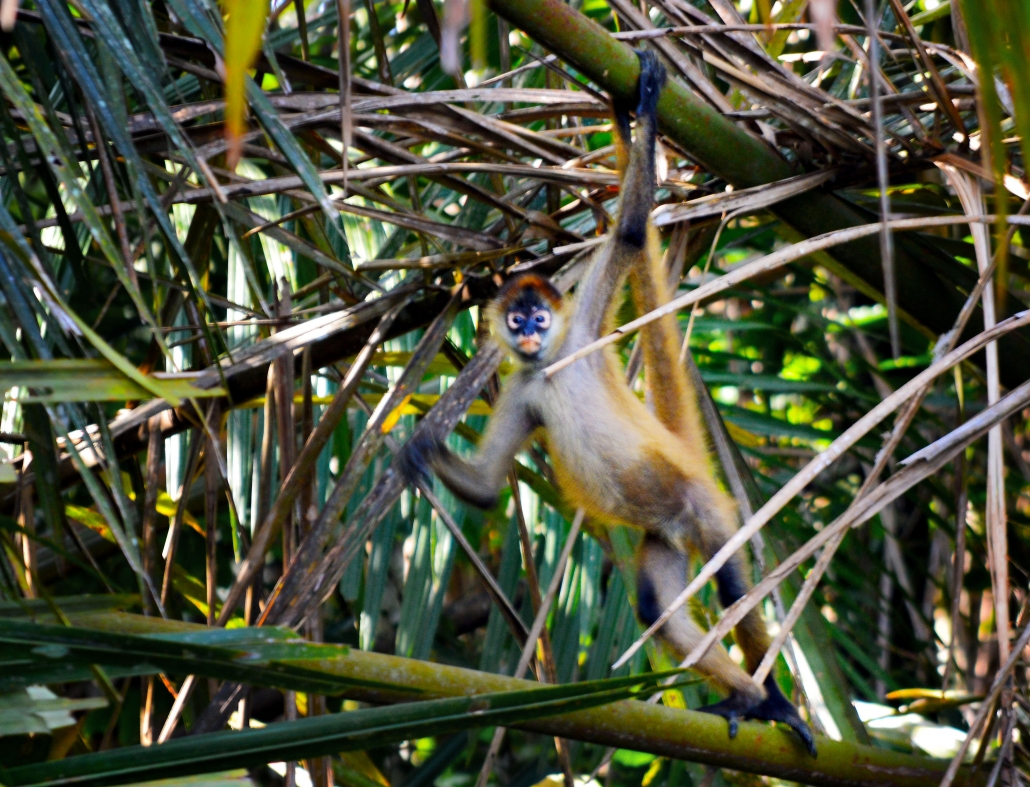
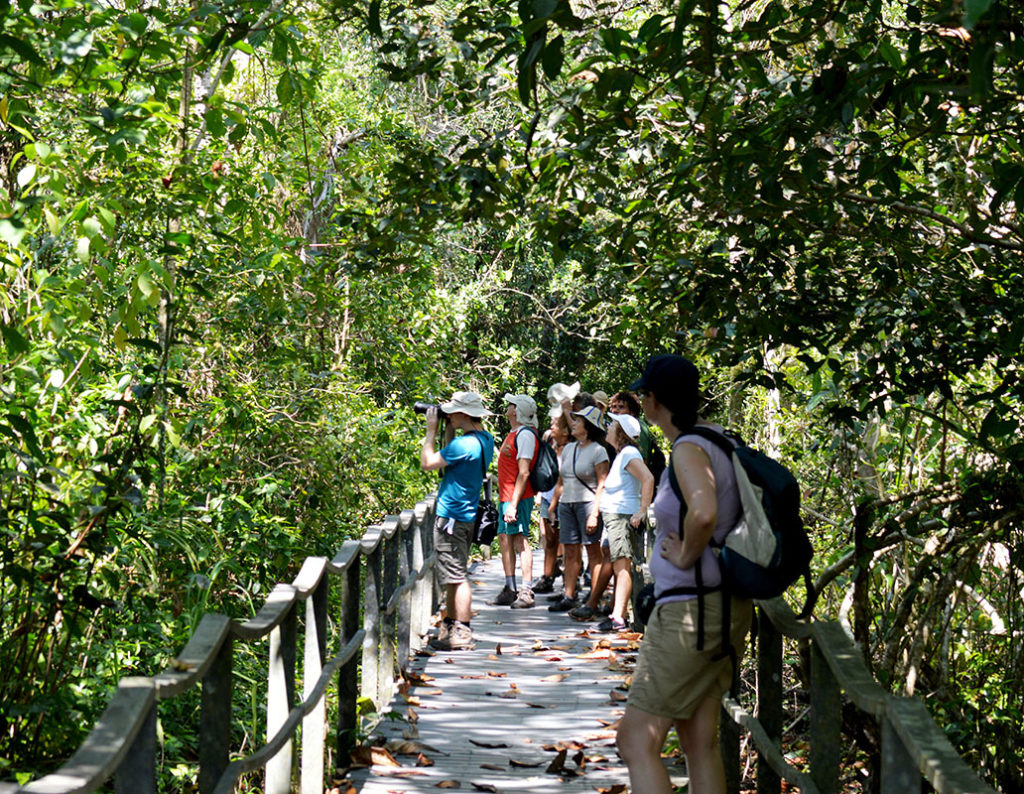
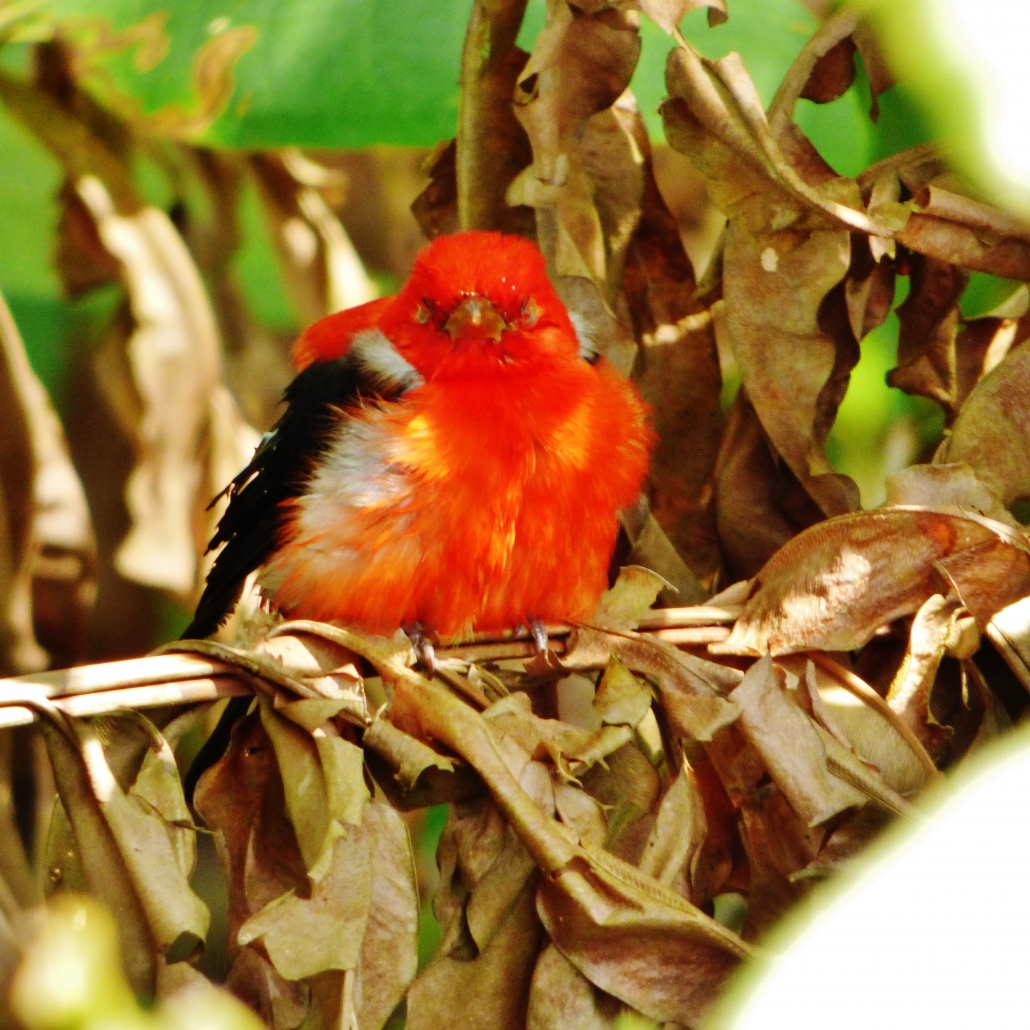
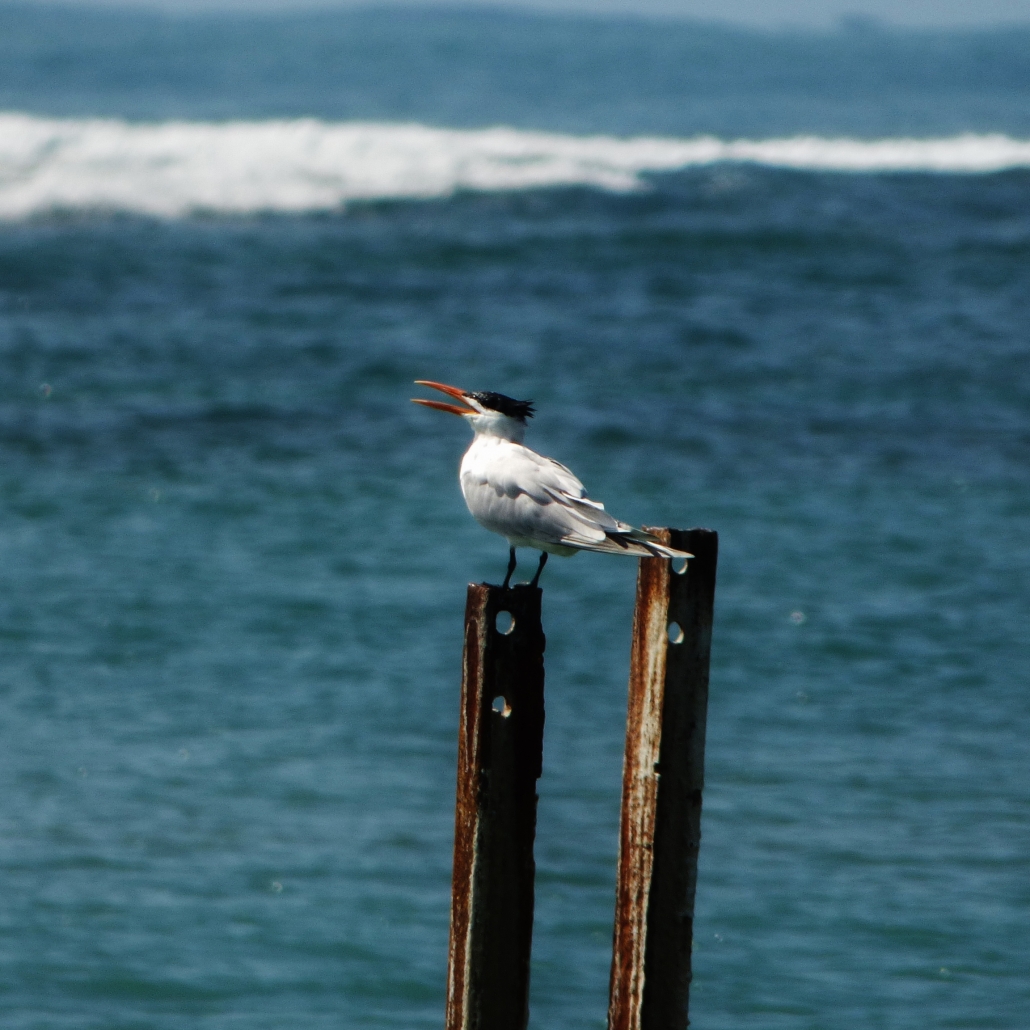
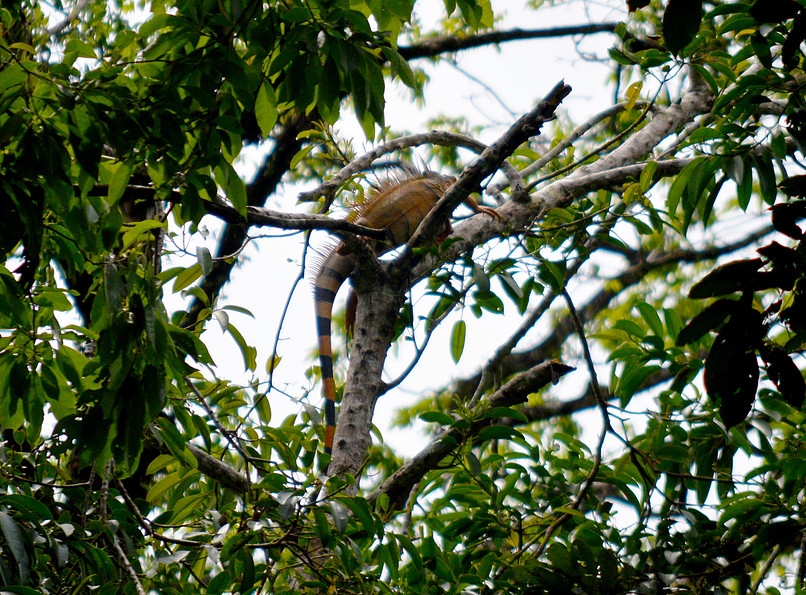
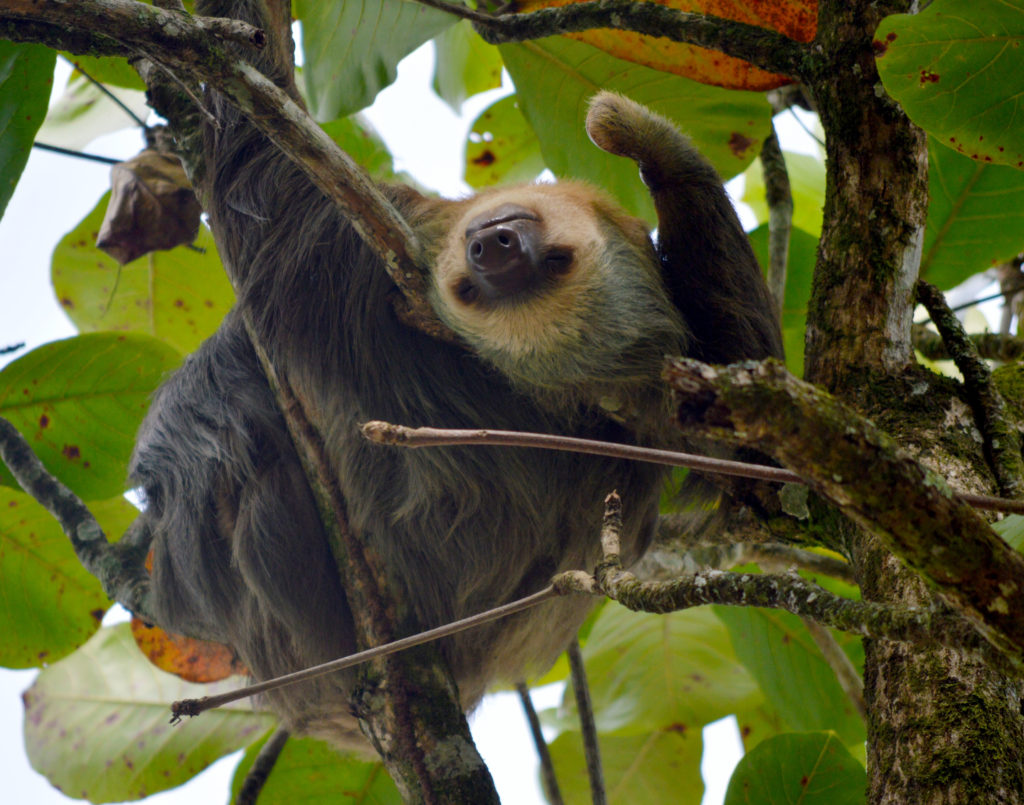
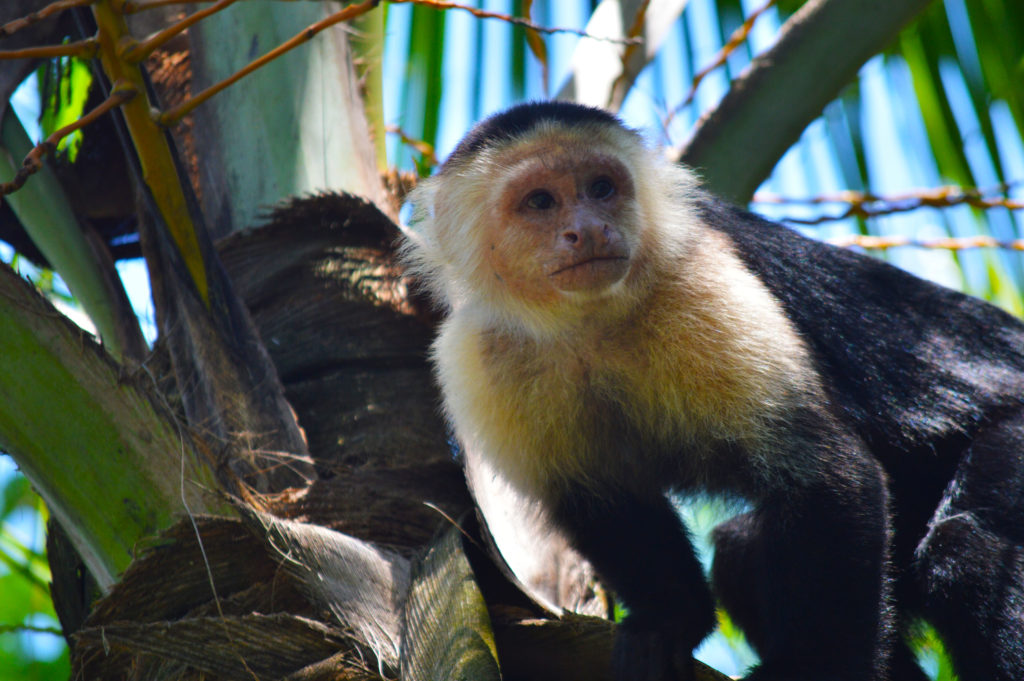
Between Punta Mona (Monkey Point) and the Sixaola river mouth one can observe three species of dolphins, including the rare small Pink Tucuxi. The refuge is also home to 358 identified species of birds with nearly 40% of those species considered rare, with many being North American migrants.
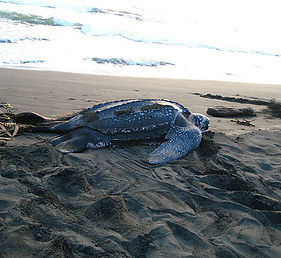
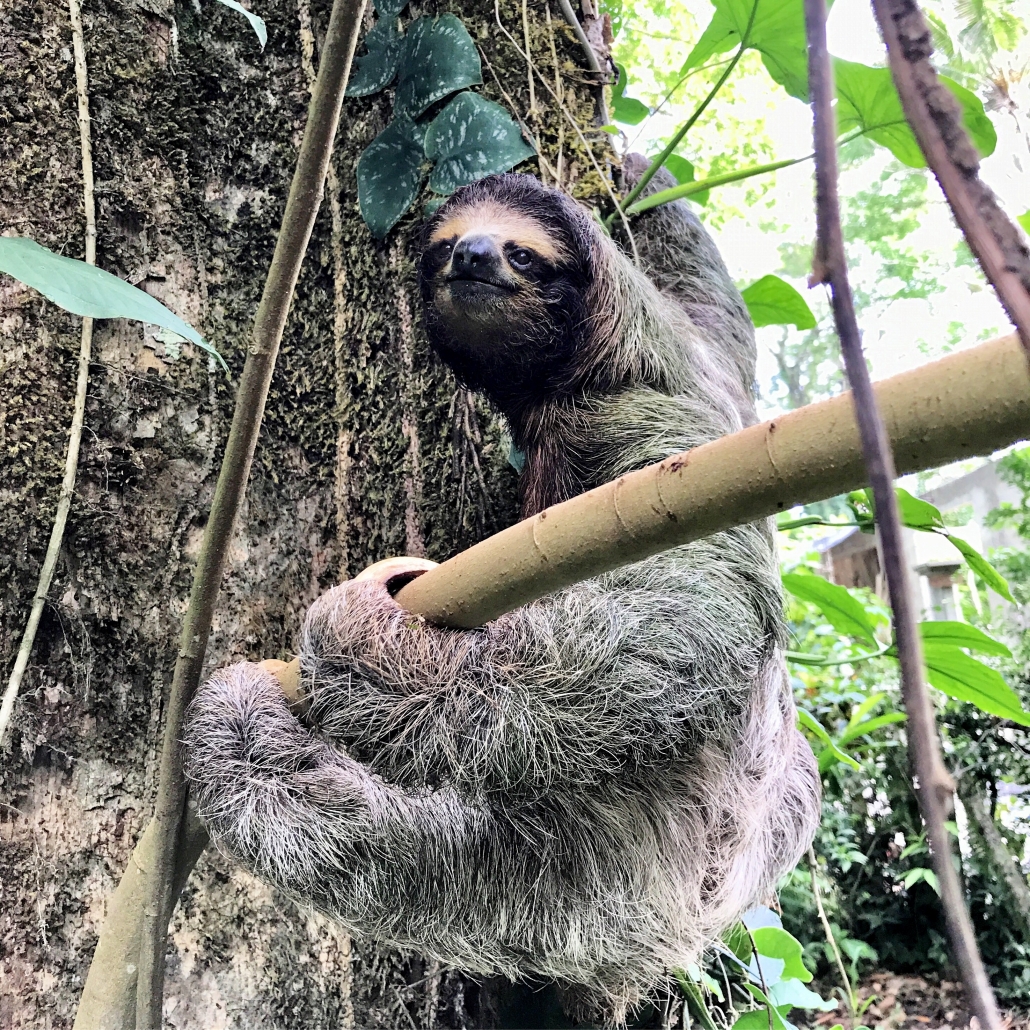
The nine kilometers of shoreline of the Gandoca Manzanillo Wildlife Refuge is a key turtle-nesting beach where four species of sea turtles lay eggs, the main specie being the Leatherback Turtle can be seen between mid-February and July.
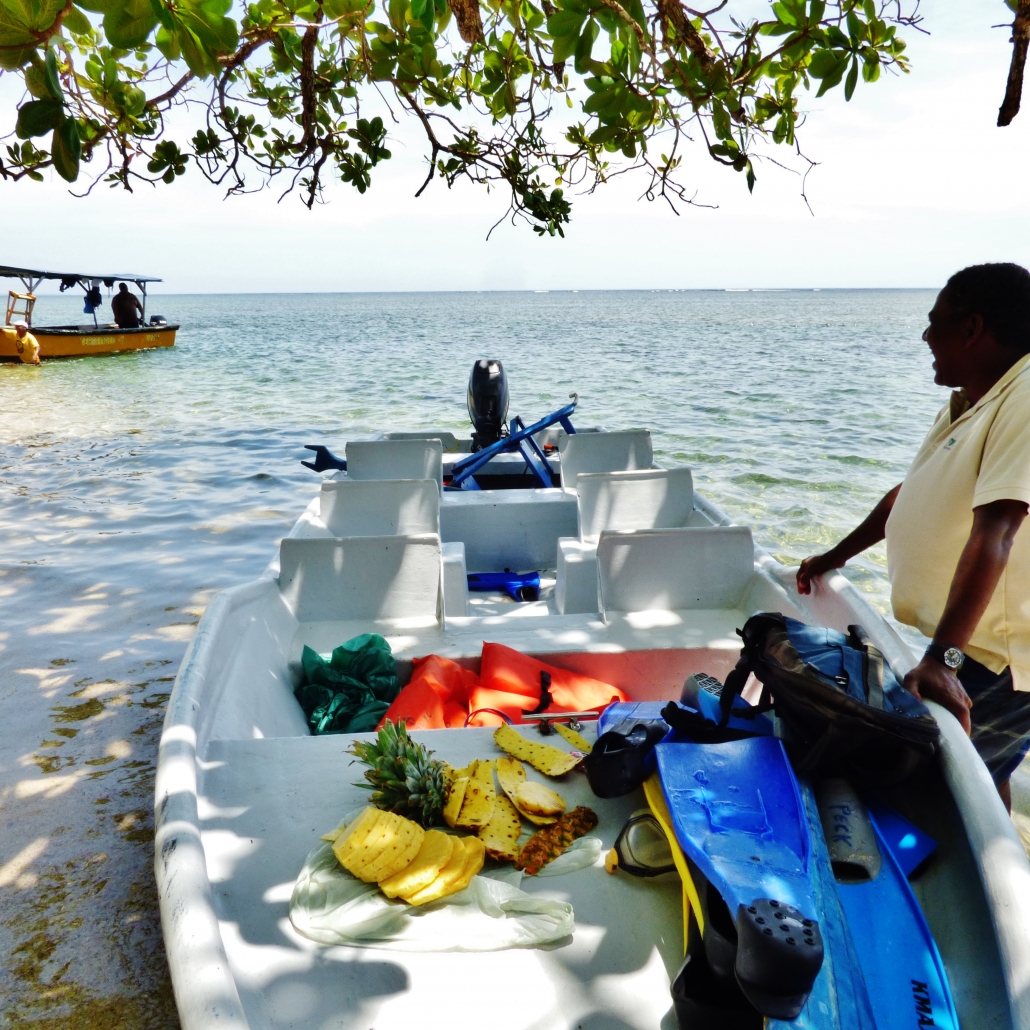
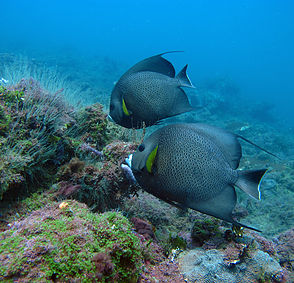
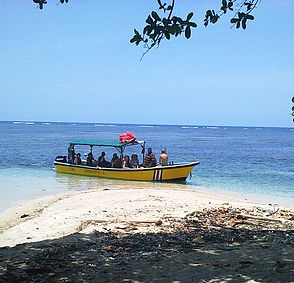
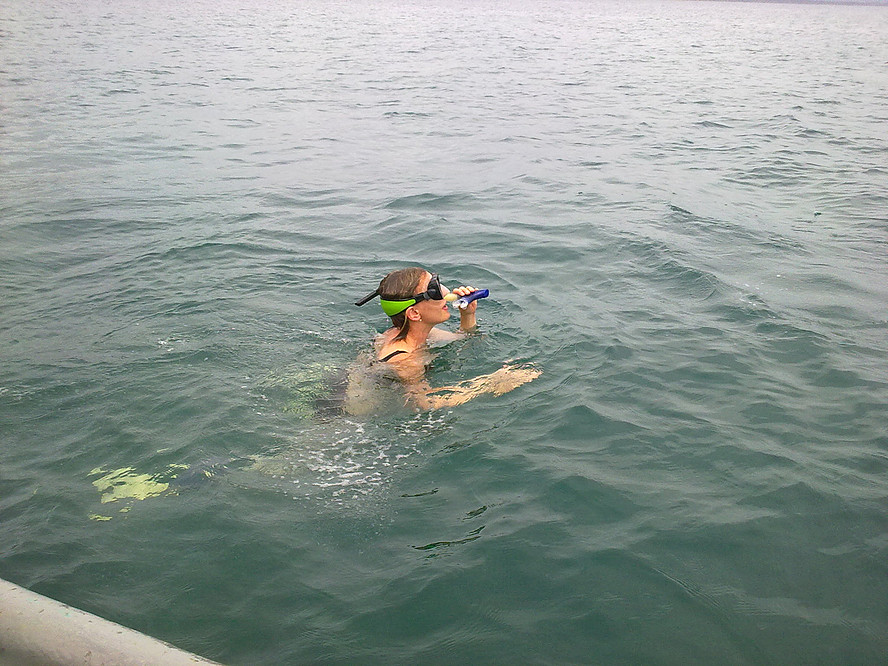
February through April and Sept/Oct typically have the best underwater visibility for diving and snorkelling.
Gandoca
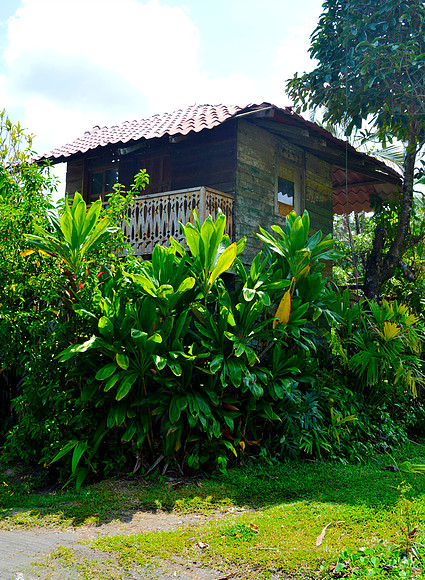
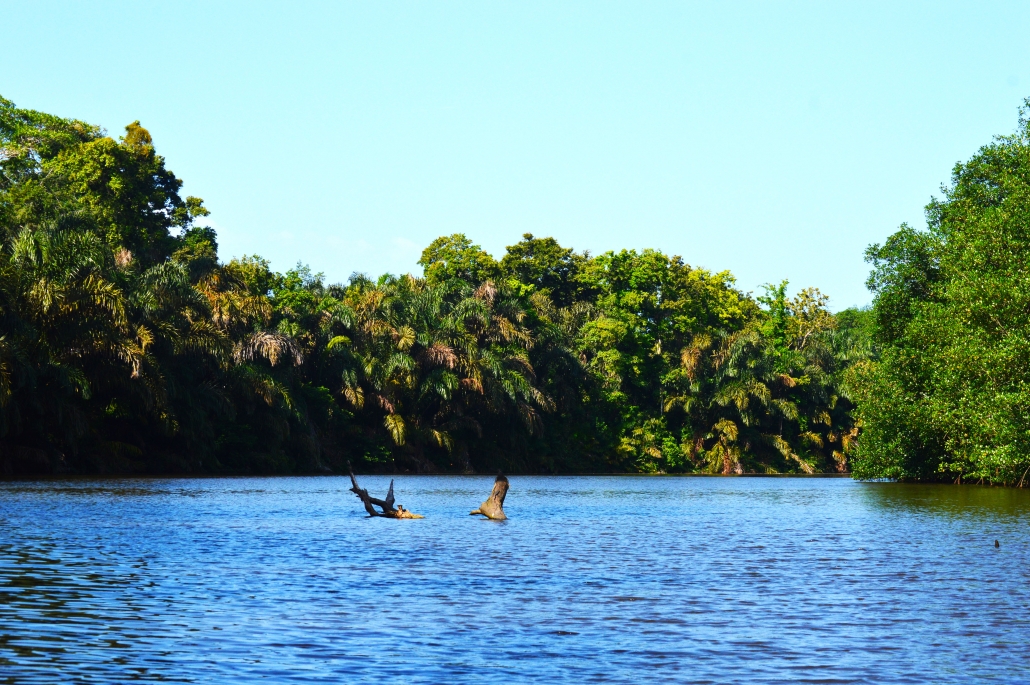
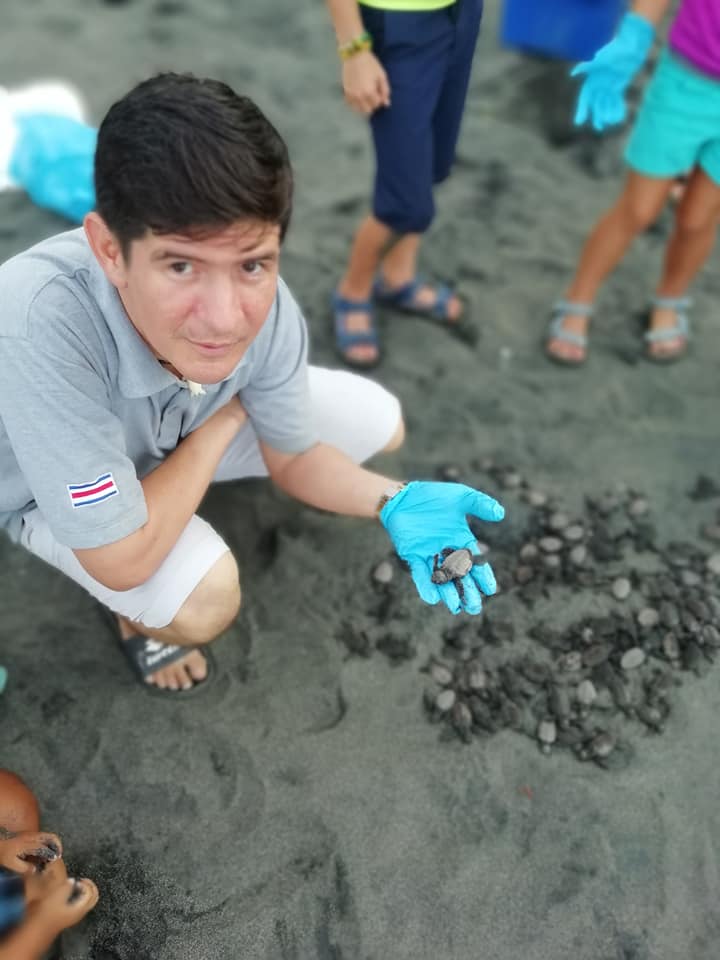
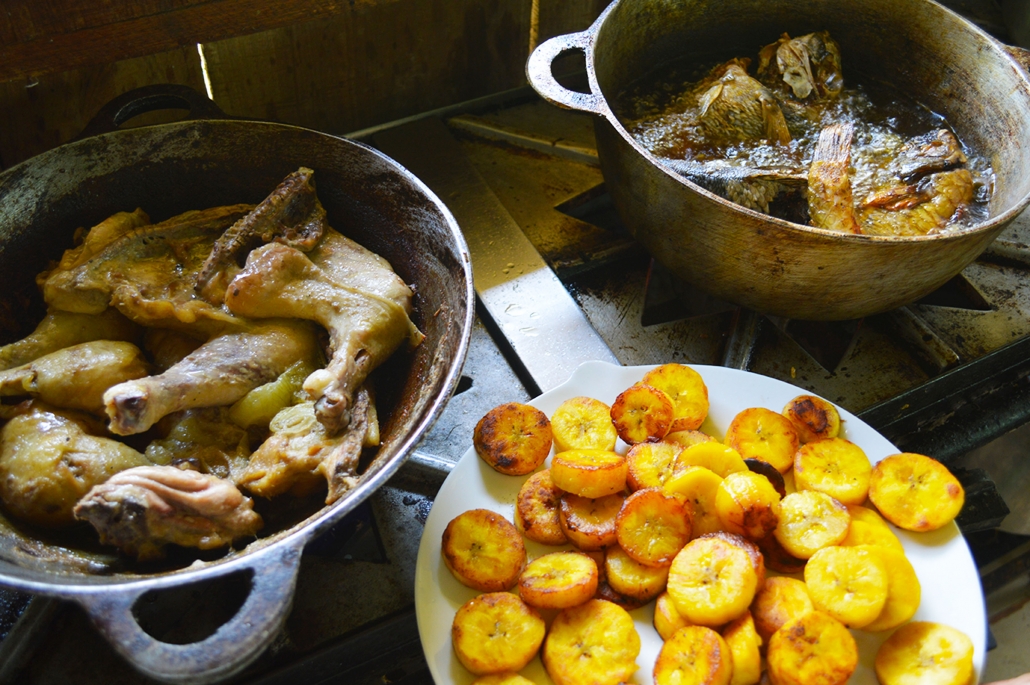
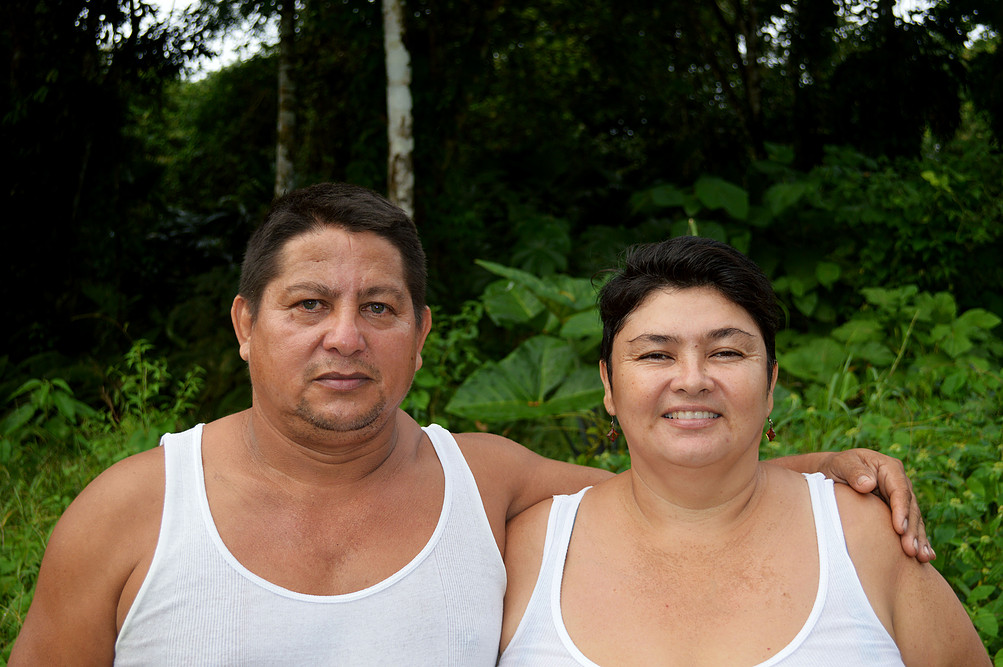
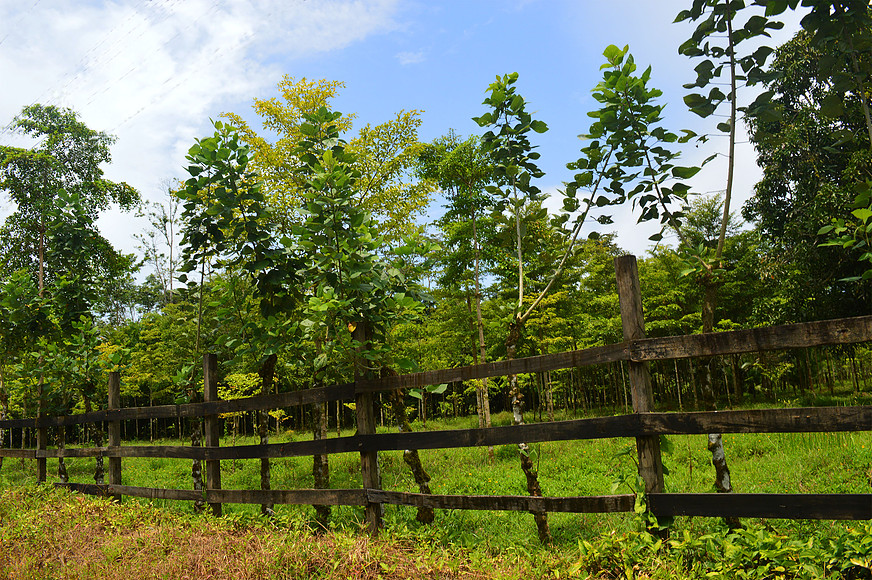
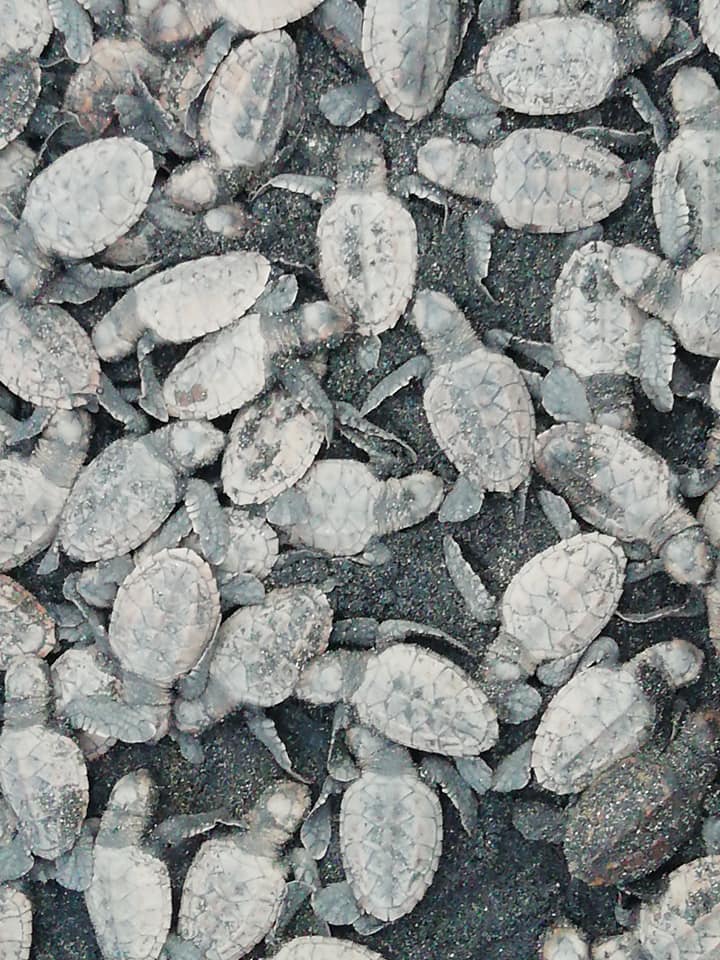
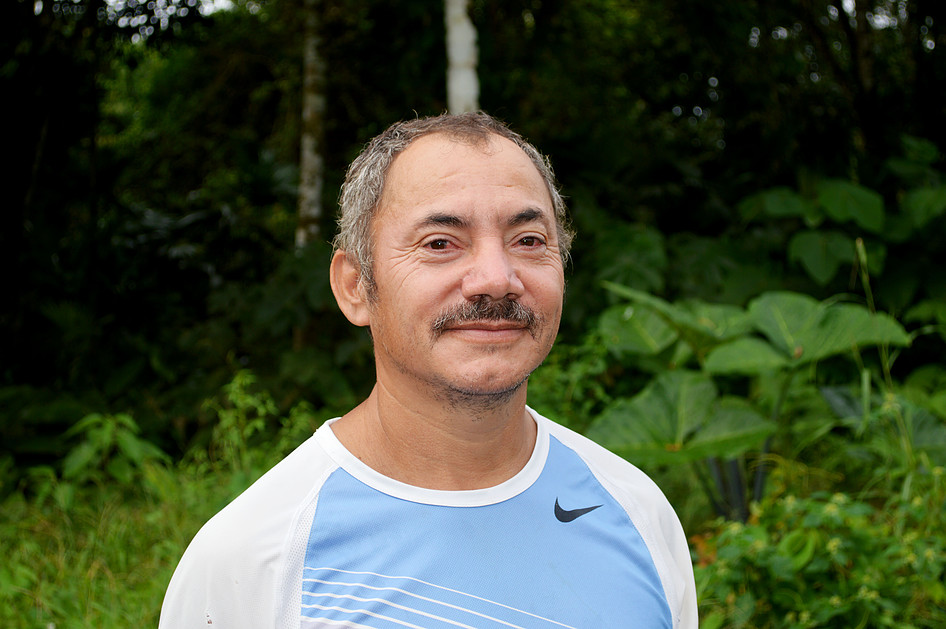
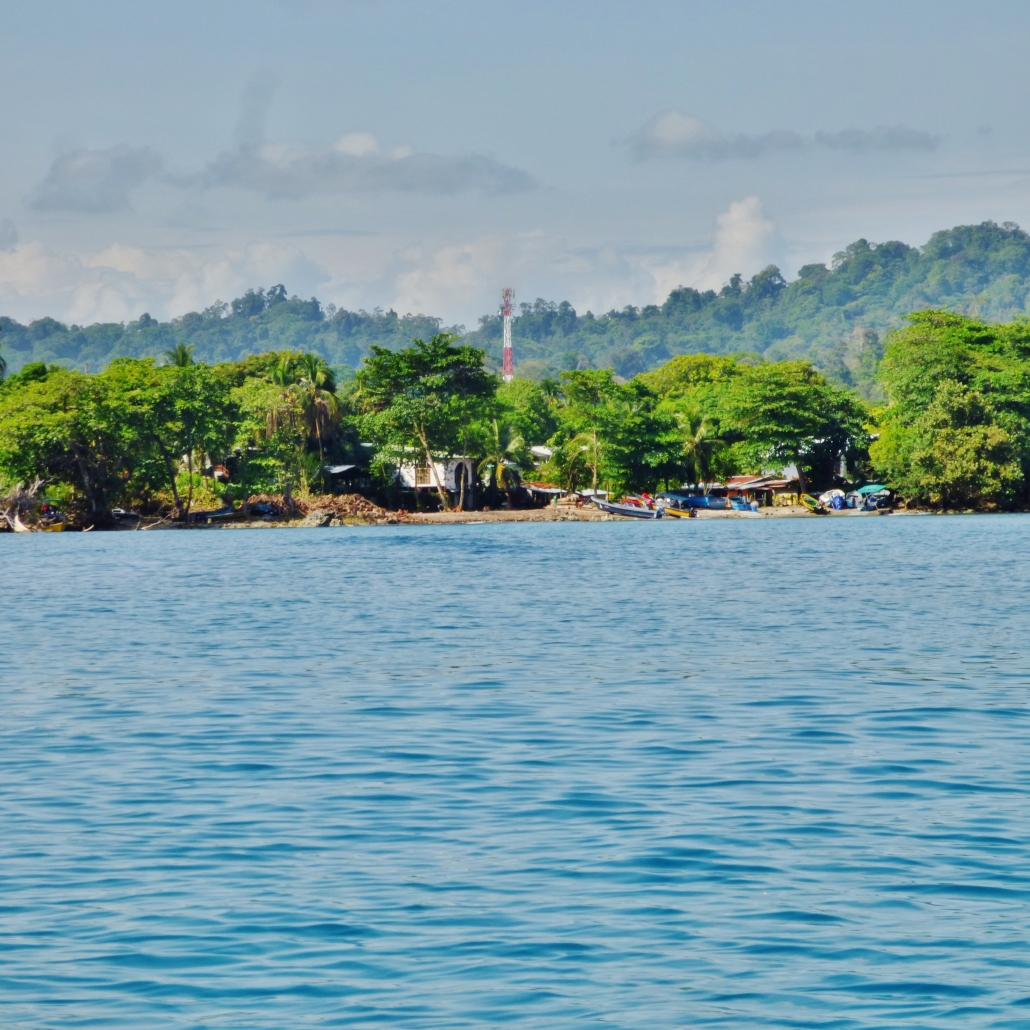
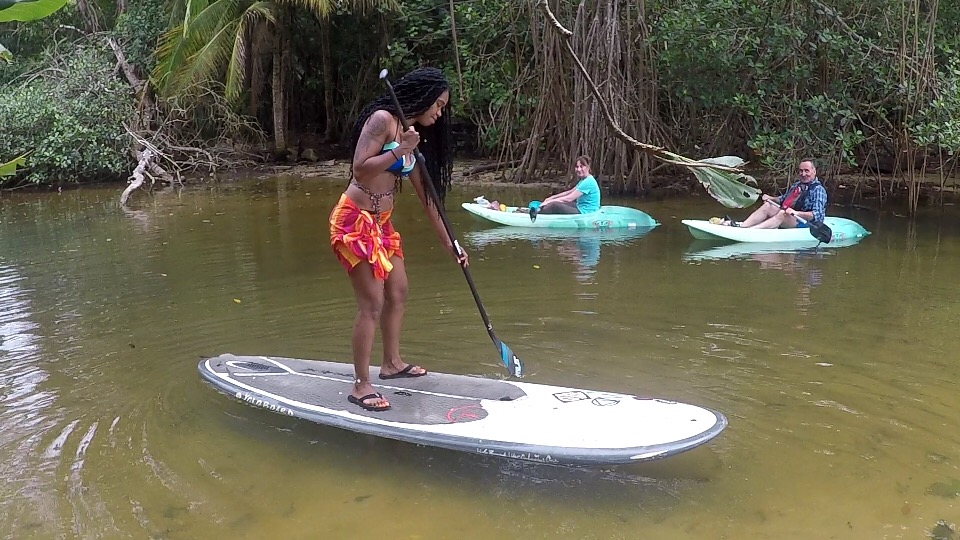
Gandoca is a tiny, remote village of approx. 150 inhabitants situated on the Caribbean coast between Punta Mona and the mouth of the Sixaola river which is the border line between Costa Rica and Panama. The houses are dispersed and the people living here are ladino and mestizo farmers who are mostly descendants of those who started to settle here in the early 1930’s and 40’s. It is the part of the Gandoca/Manzanillo Wildlife refuge which is completely off the beaten path. The community has a turtle protection project with local guides taking you on night tours in the season between March and June for watching mainly the giant leatherback turtles laying eggs, and in August-September to observe the hatchlings during the day. The Gandoca lagoon is part of a wetland where the manatee is still present, and where you can observe a great variety of wildlife and birds from a quiet boat with one of the Gandoca guides. Lodging and meals can be arranged in very simple and rustic campesino homes, a very authentic experience.
Cahuita National Park
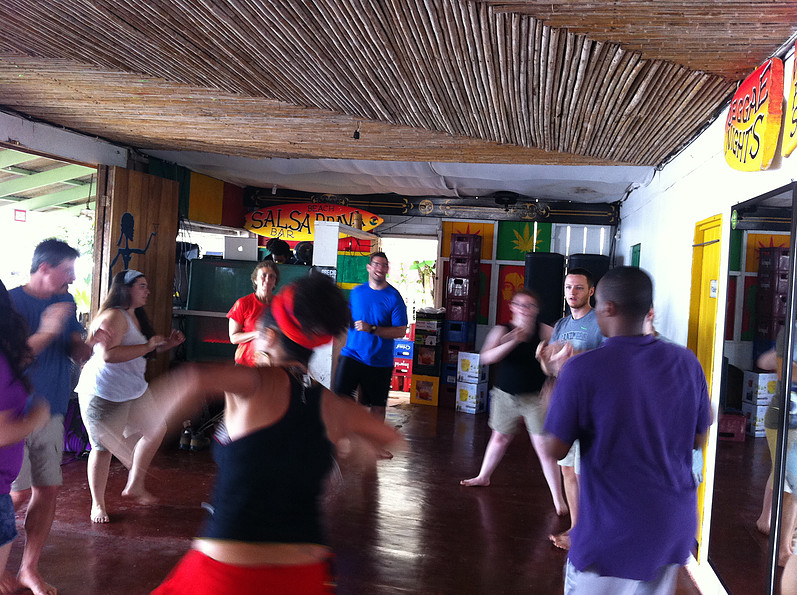
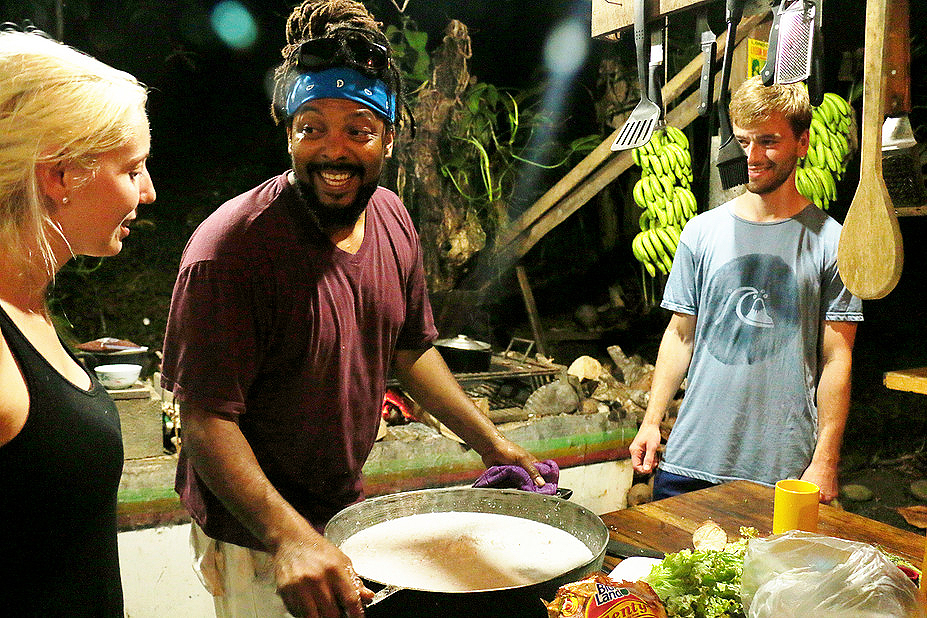
Puerto Viejo de Talamanca is a multi-ethnic, multi-cultural place with people from all parts of the world and from all walks of life living peacefully together in a happy mix. The town is a great place with a relaxed vibe where you can eat typical caribbean food, listen to reggae and calypso music and watch the sunset. The community of Puerto Viejo is known for its active defense of the rich cultural and historical heritage.
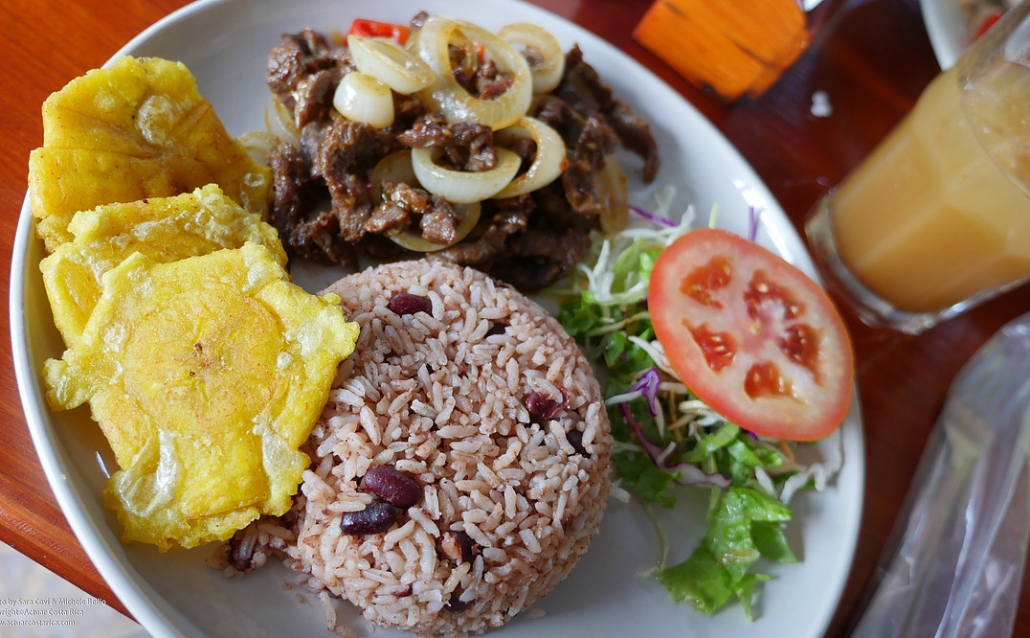
The town was originally called Old Harbor until the Costa Rican government institutionalized Spanish as the new local language and changed the names of the towns and landmarks in the area from English to Spanish. Though many names remain the same, Old Harbor became Puerto Viejo. The Afro-Caribbean English speaking culture was actively dismantled, but nevertheless keeps itself alive and thriving with the locals speaking Jamaican Patois, ‘pigeon english’ and maintaining their traditional coconut-milk based cuisine.
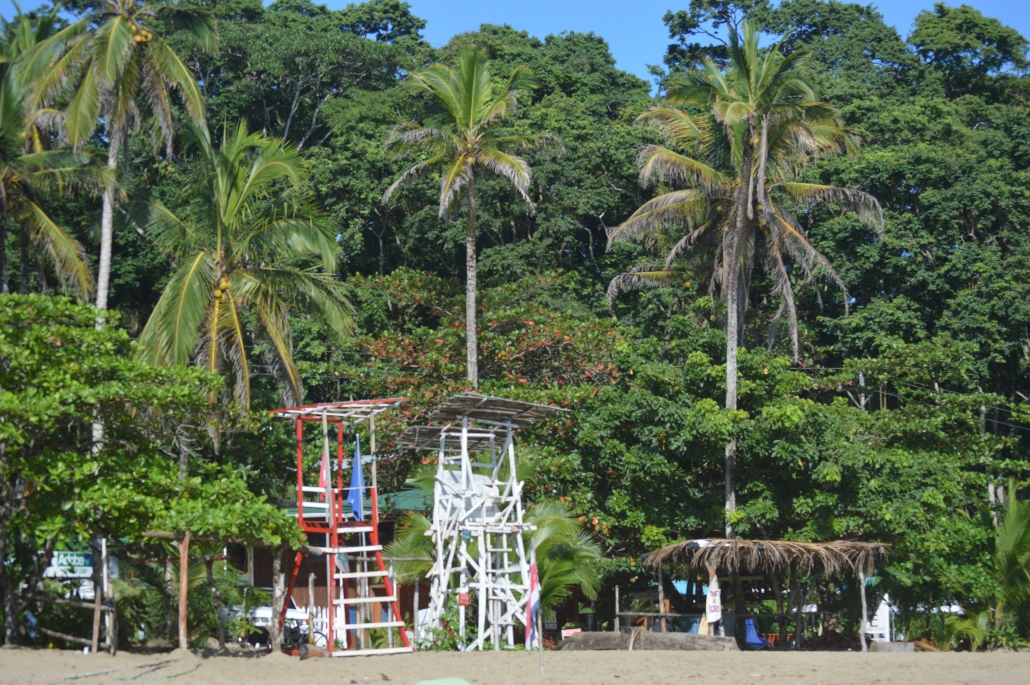
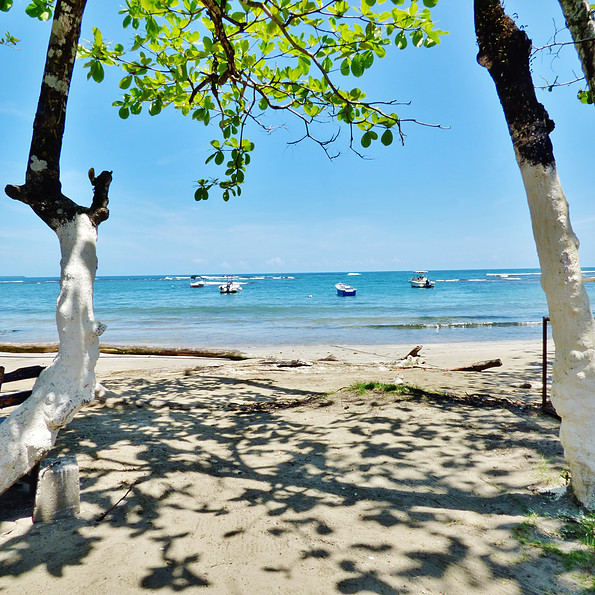
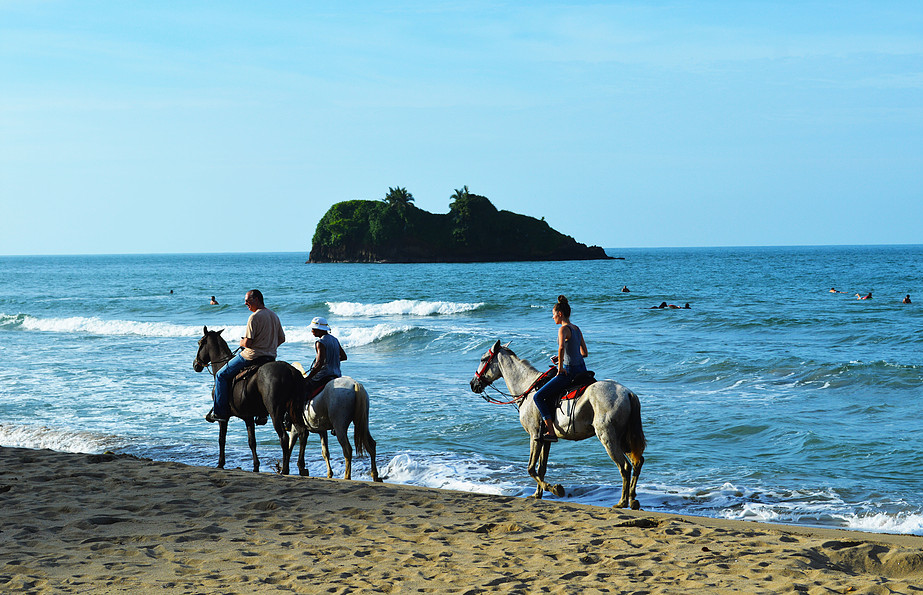
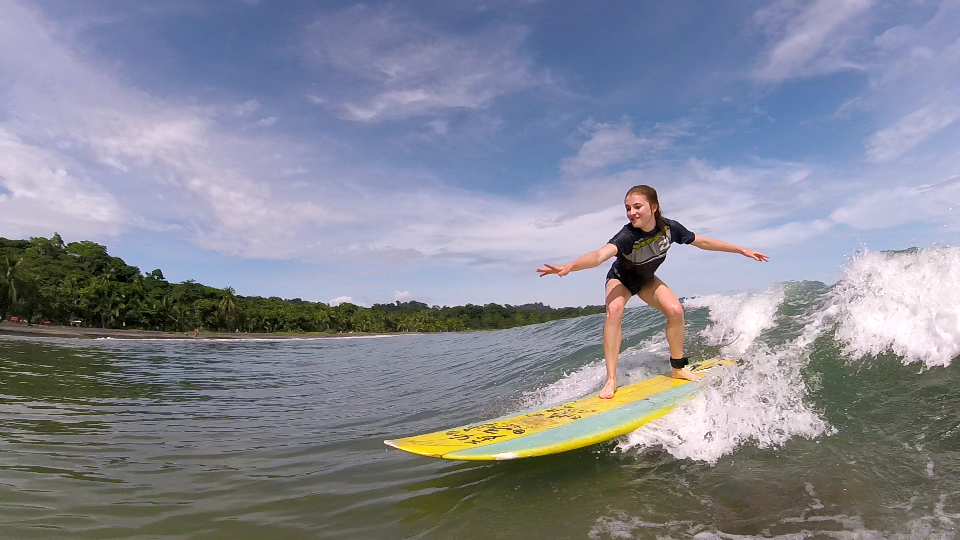
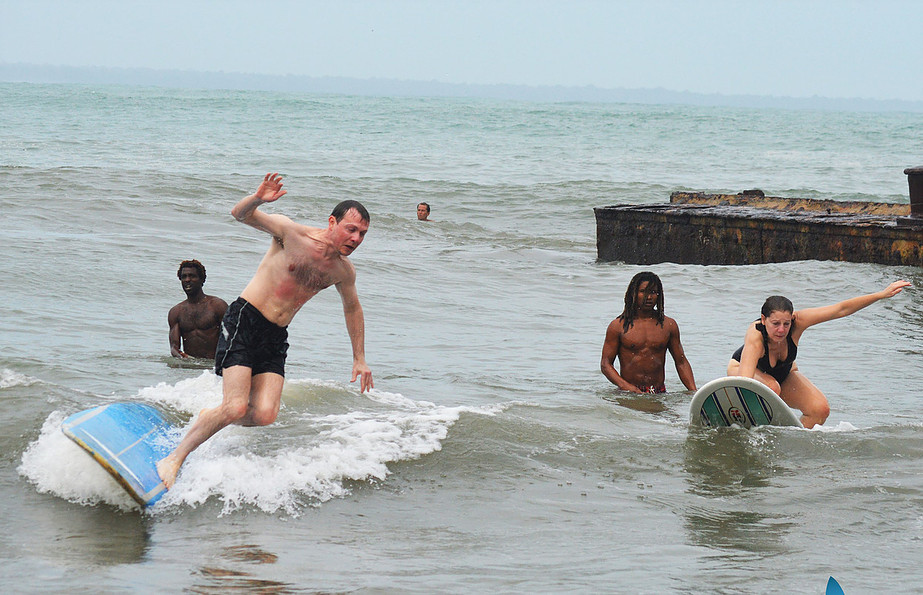
Puerto Viejo is in the center of some of the most beautiful beaches in the southern Caribbean, from Playa Negra to Playa Cocles and onto Punta Uva, just to name a few. Costa Rica’s most unique beaches, reefs and wildlife can be found between Puerto Viejo and Manzanillo. We are also respected and recognized in the surfing community for the biggest and most powerful wave in Costa Rica, the famous, Salsa Brava. If you aren’t up to surf, it is always exciting to watch!
Puerto Viejo
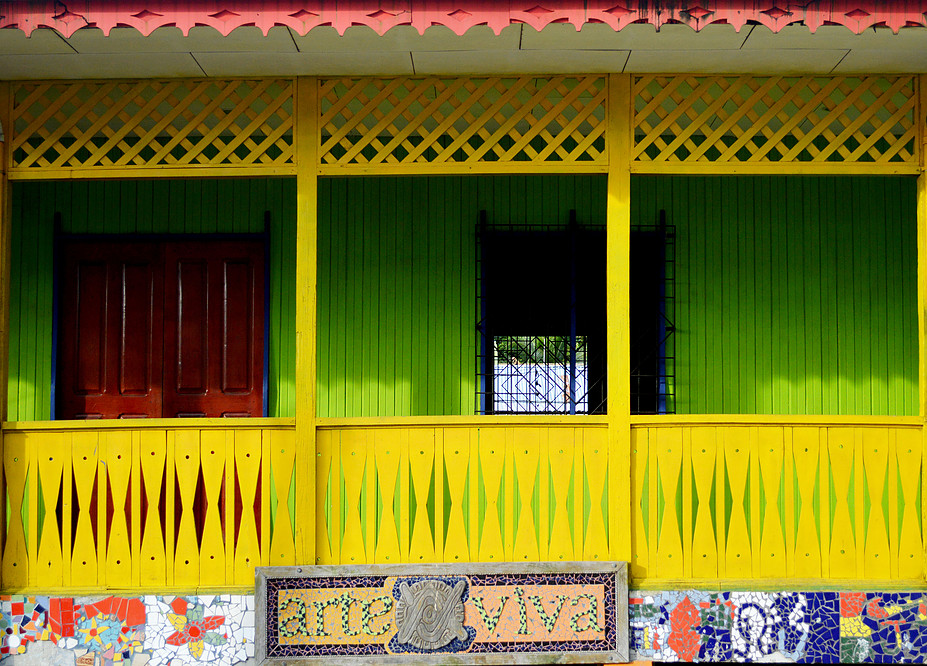
Puerto Viejo de Talamanca is a multi-ethnic, multi-cultural place with people from all parts of the world and from all walks of life living peacefully together in a happy mix. The town is a great place with a relaxed vibe where you can eat typical caribbean food, listen to reggae and calypso music and watch the sunset. The community of Puerto Viejo is known for its active defense of the rich cultural and historical heritage.
The town was originally called Old Harbor until the Costa Rican government institutionalized Spanish as the new local language and changed the names of the towns and landmarks in the area from English to Spanish. Though many names remain the same, Old Harbor became Puerto Viejo. The Afro-Caribbean English speaking culture was actively dismantled, but nevertheless keeps itself alive and thriving with the locals speaking Jamaican Patois, ‘pigeon english’ and maintaining their traditional coconut-milk based cuisine.
Puerto Viejo is in the center of some of the most beautiful beaches in the southern Caribbean, from Playa Negra to Playa Cocles and onto Punta Uva, just to name a few. Costa Rica’s most unique beaches, reefs and wildlife can be found between Puerto Viejo and Manzanillo. We are also respected and recognized in the surfing community for the biggest and most powerful wave in Costa Rica, the famous, Salsa Brava. If you aren’t up to surf, it is always exciting to watch!
Tortuguero
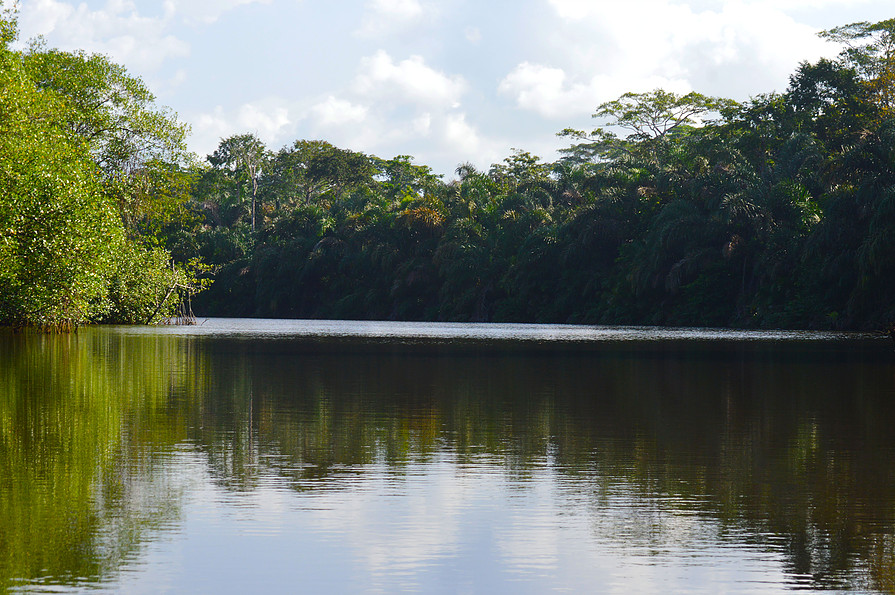
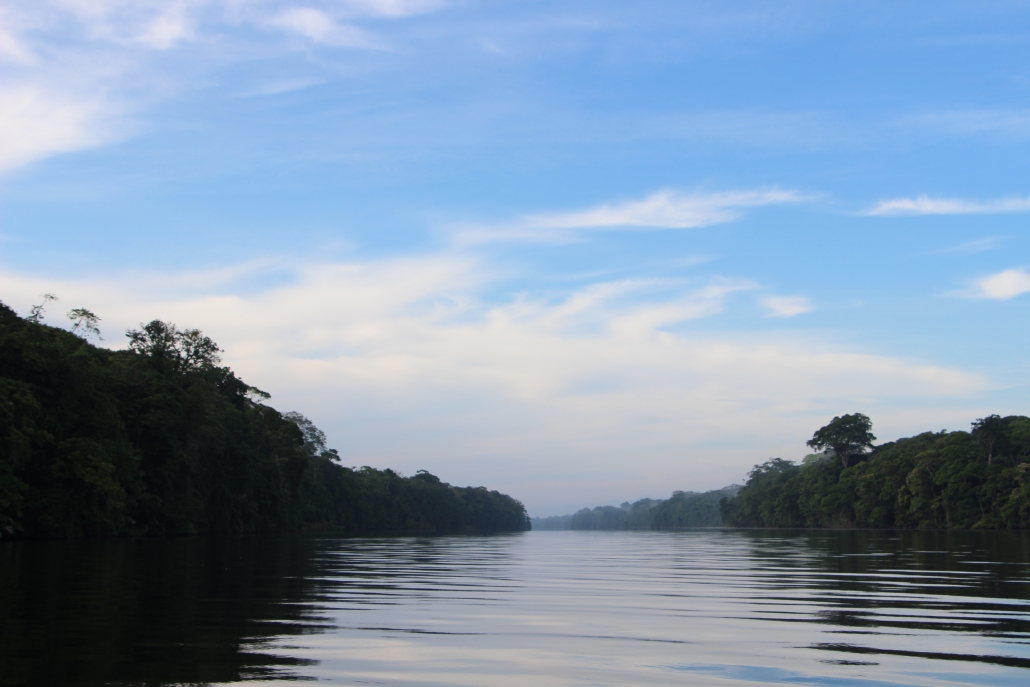
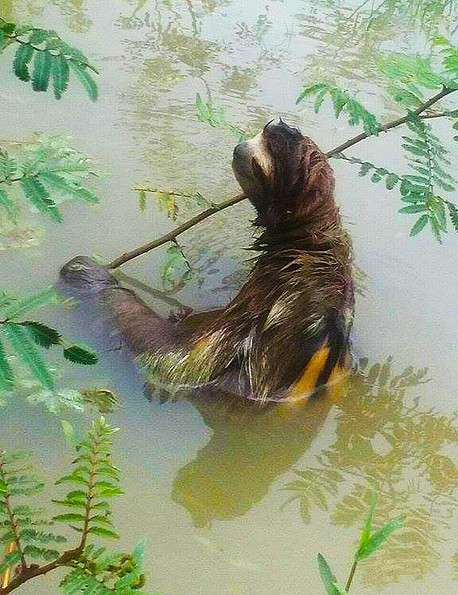
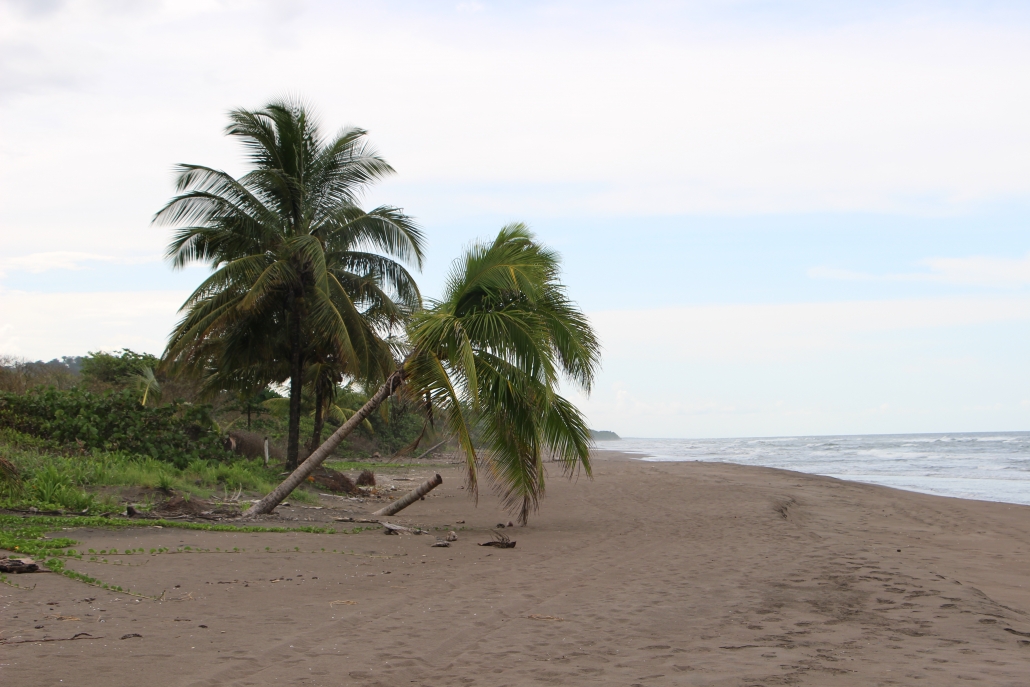
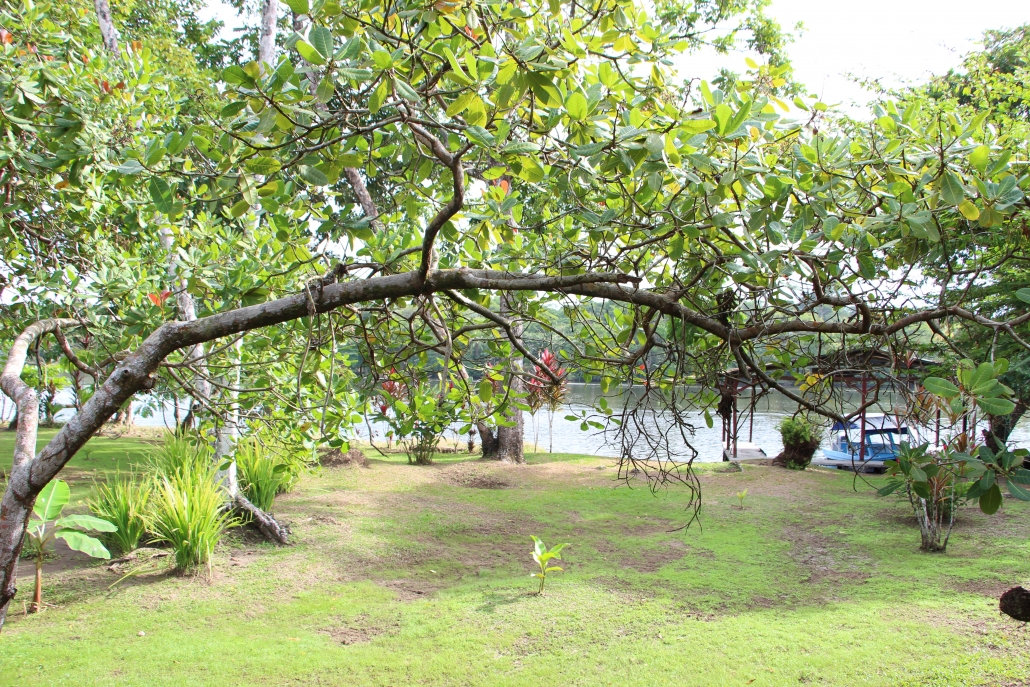
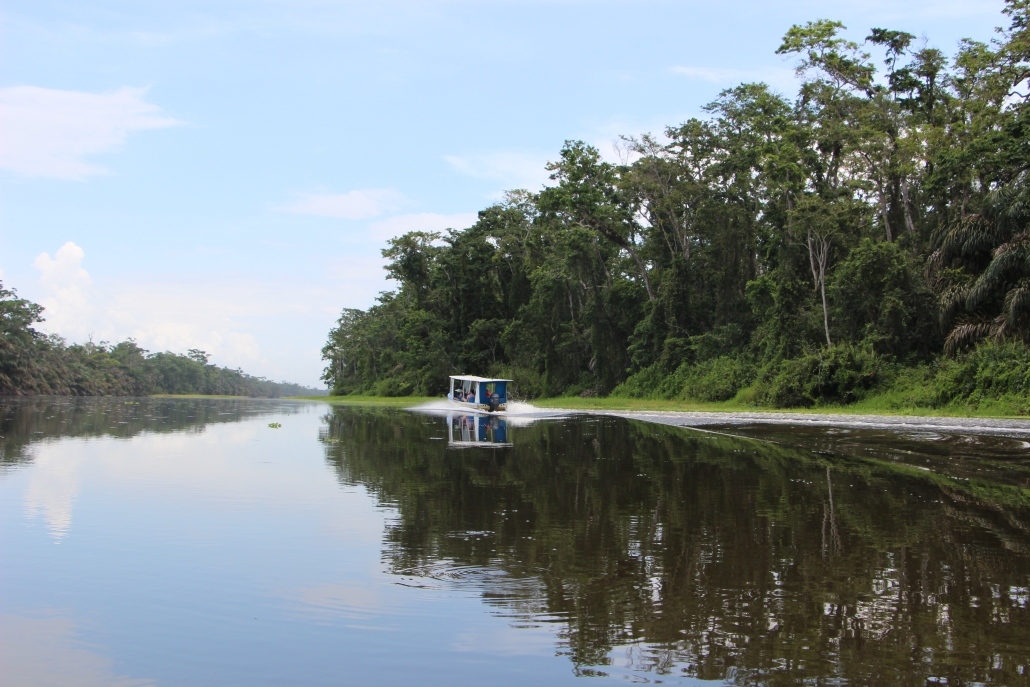
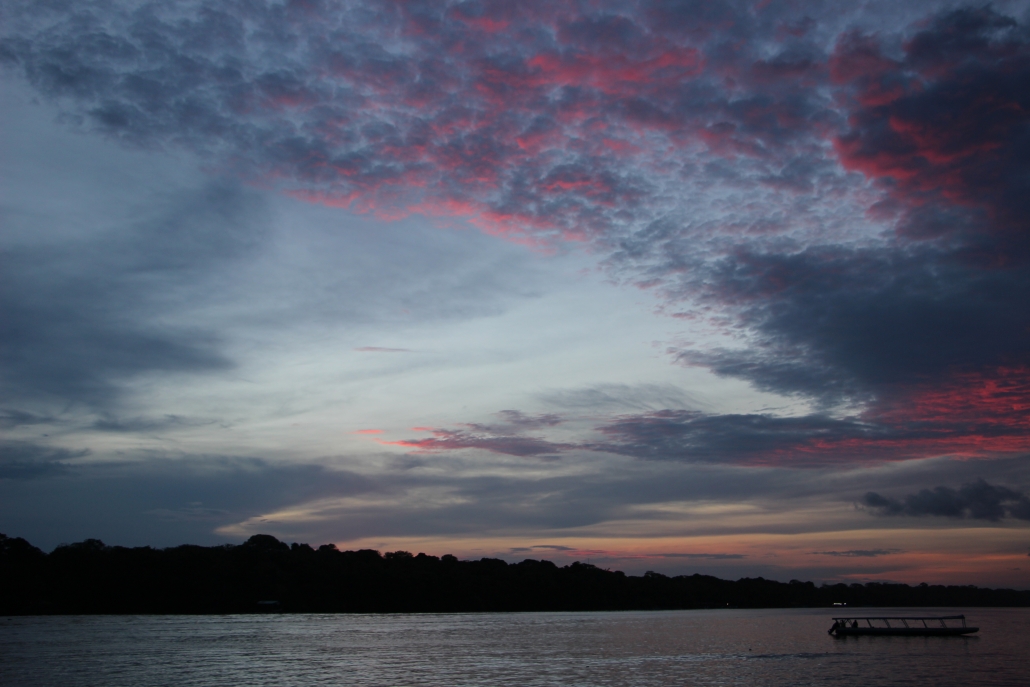
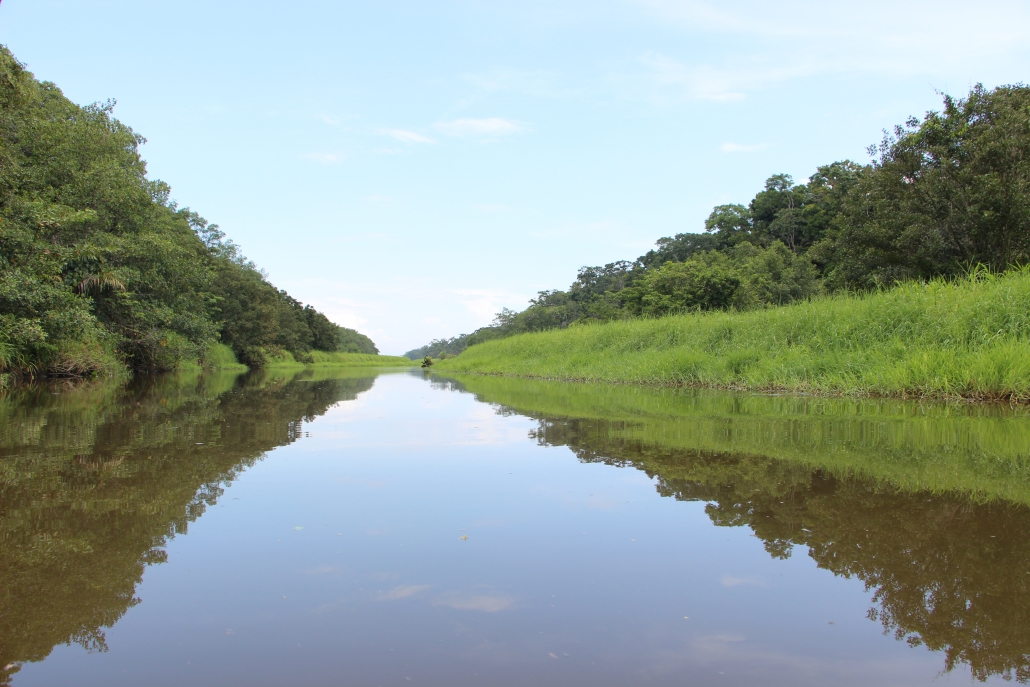
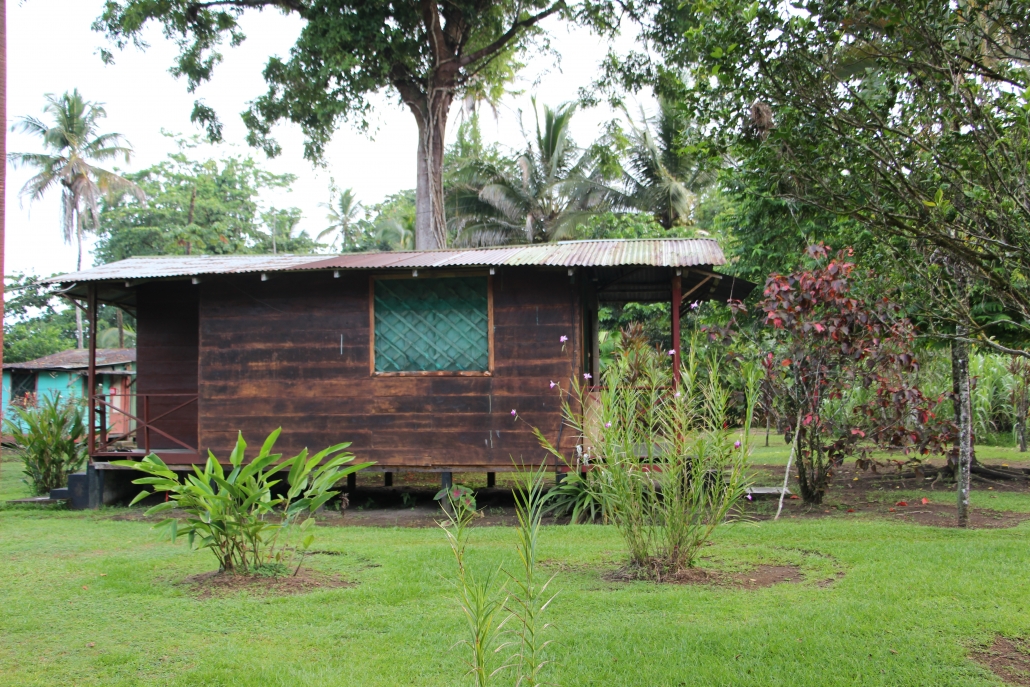
Tortuguero National Park is situated on the northern coast in the Limon Province of Costa Rica. Despite its remote location, it is the third-most visited park in Costa Rica, reached only by airplane or boat. The park counts with a large variety of biological diversity due to eleven different habitats, including rainforest, mangrove forests, swamps, beaches, and lagoons.
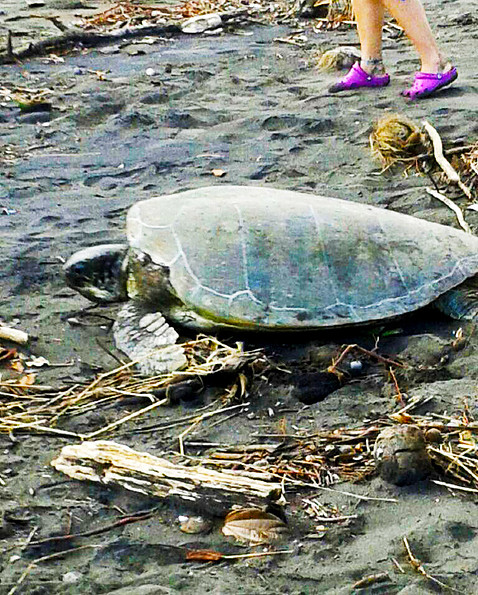
The coastal zone, which has a long beach extending to nearly 22 miles (35 km), is the nesting ground for turtles hence the name ‘Tortuguero’ (tortuga=turtle), many of them are reported on the canal banks as well. The main species to lay eggs during the months of February to July are: hawksbill, loggerheads, green sea turtle, and leatherbacks. Also seven species of Land turtles, the manatee or sea cow, the crocodile, and a variety of crustaceans are found here, as are 30 species of freshwater fish, gar, eel and bull shark.
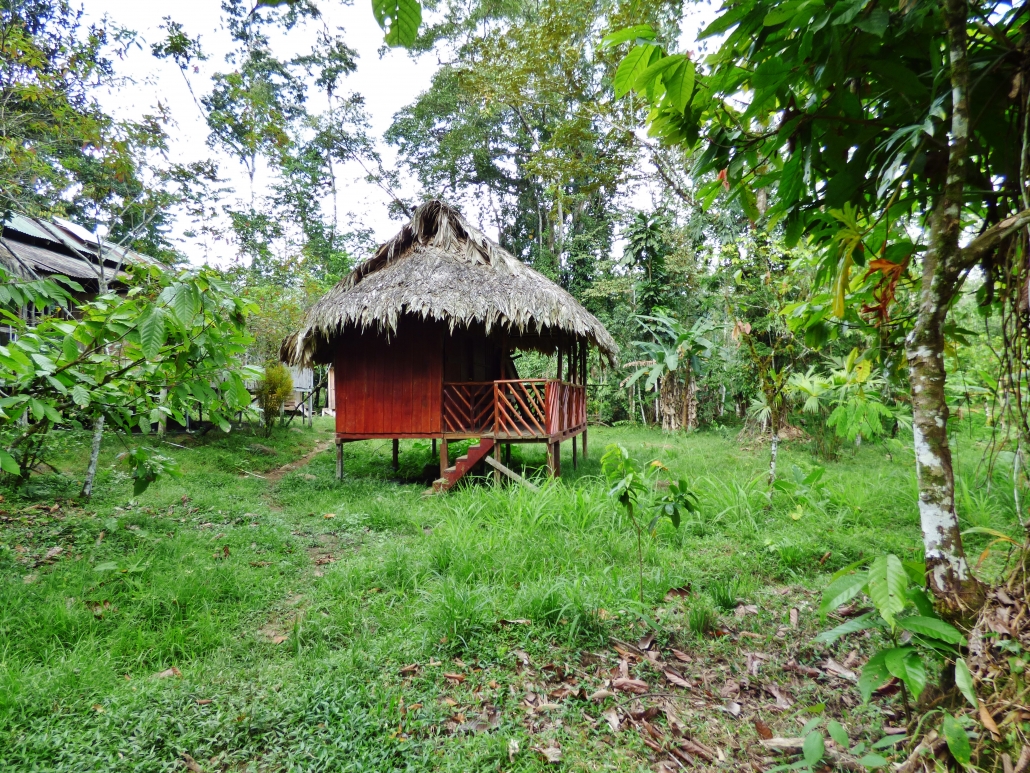
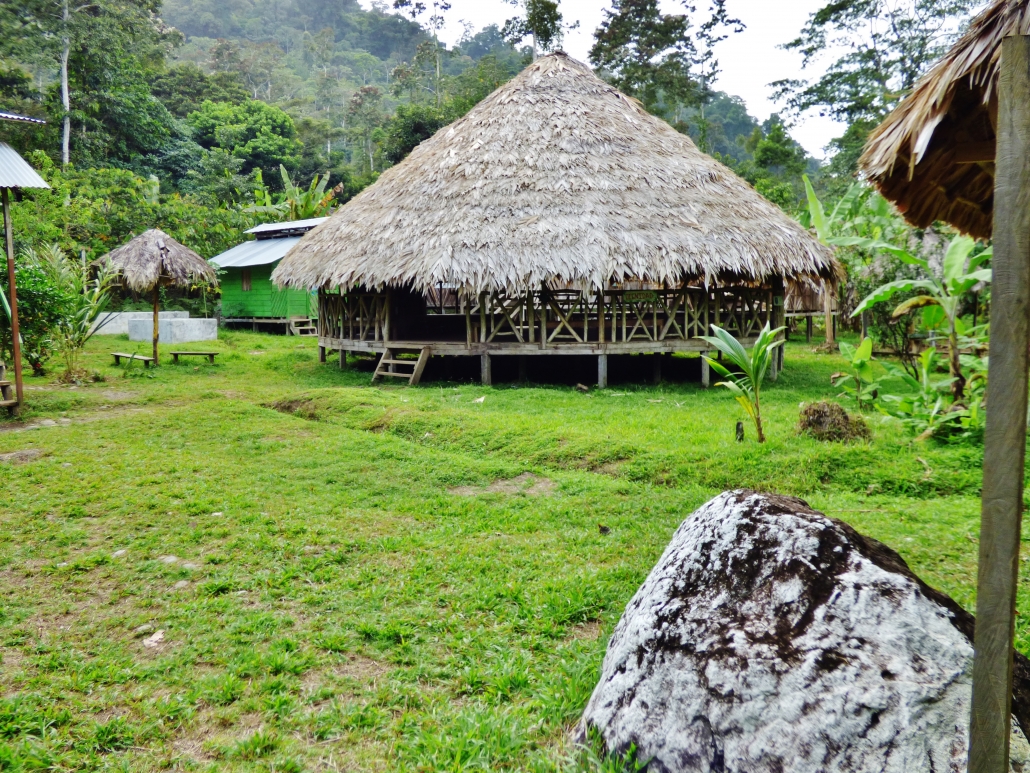
BriBrí Indigenous Territories
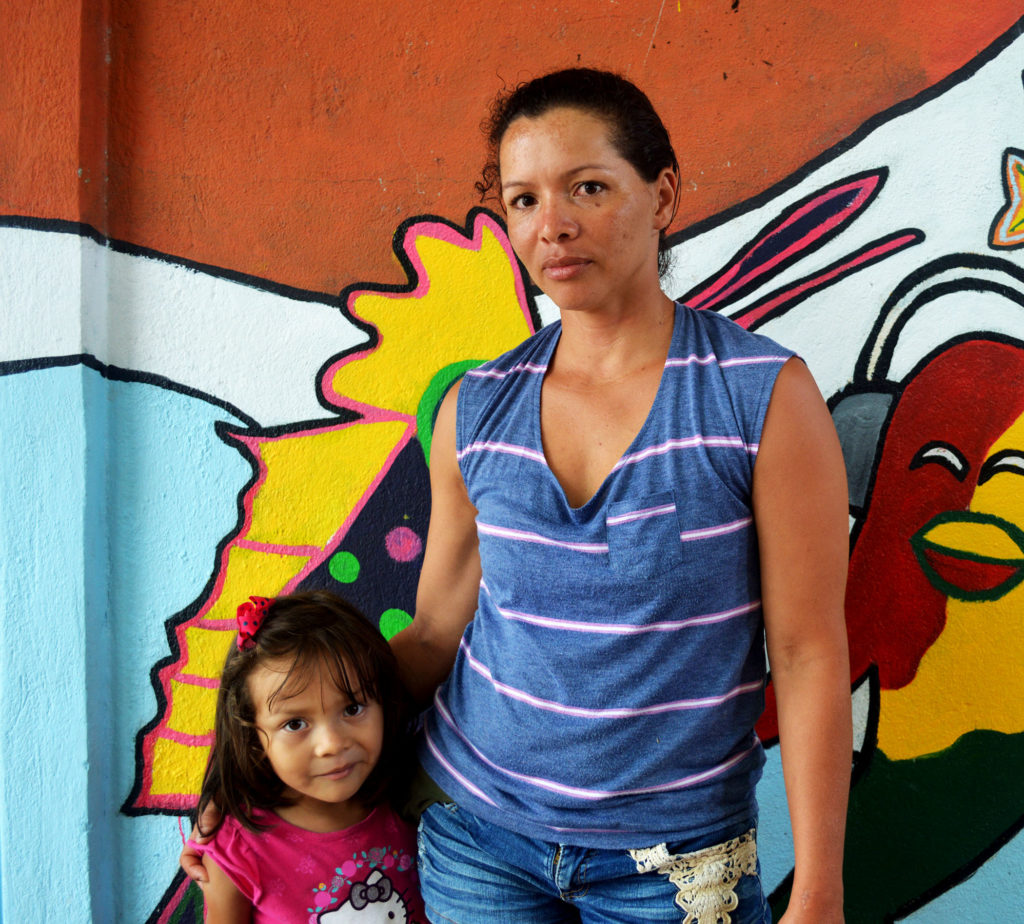
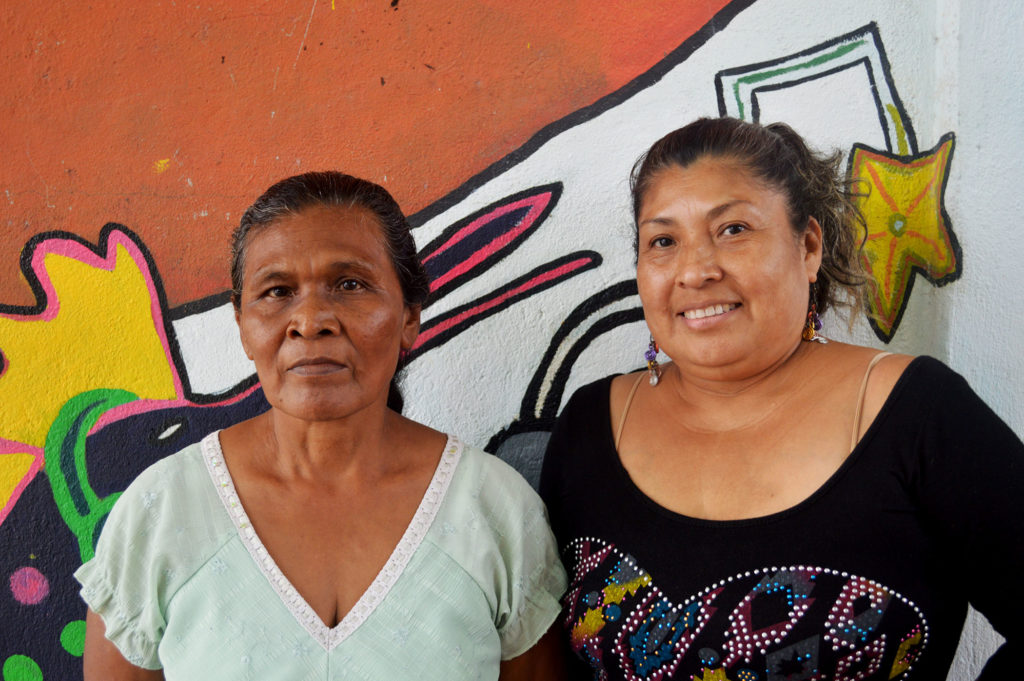
Just 1.7 percent of the Costa Rican population is of indigenous descent. The national census of 2000 identified for the first time the count of 63,876 Indigenous people living in Costa Rica. The BriBri and Cabécar who live within the Talamanca foothills and mountains are the most numerous indigenous populations in the country.
They live in three main indigenous territories: the Alta Talamanca-BriBri and the Alta Talamanca-Cabécar Territory cover large areas of the interior Talamanca mountains bordering the La Amistad National Park, and the smaller KèköLdi Indigenous Territory is just inland from Puerto Viejo. These indigenous protected areas were created in 1977 following the adoption of the Indigenous Act by the Costa Rican government, giving the country’s indigenous people the right to live within self-governed communities.
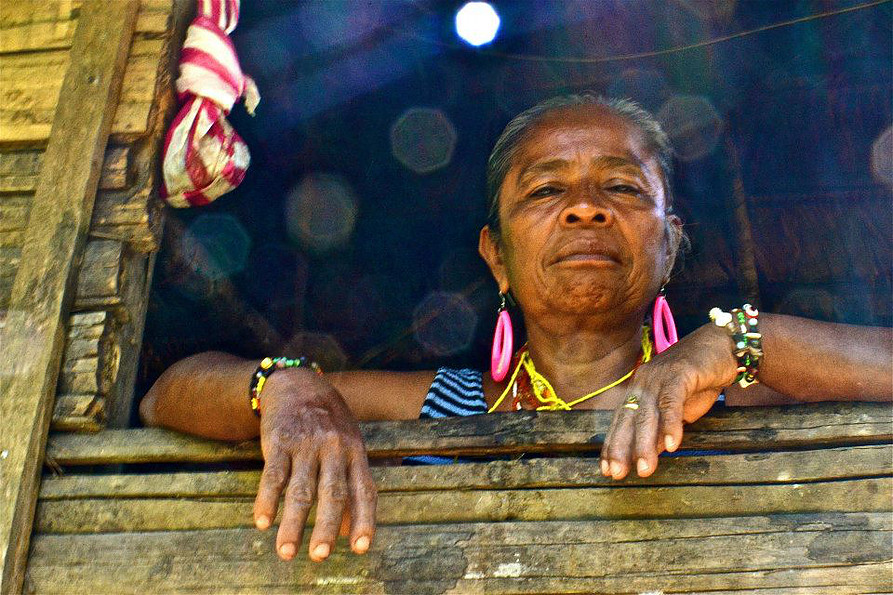
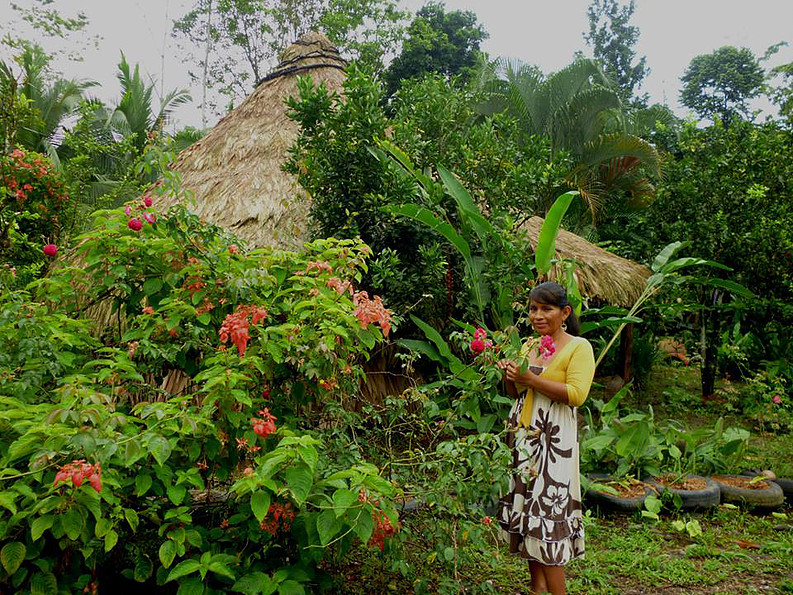
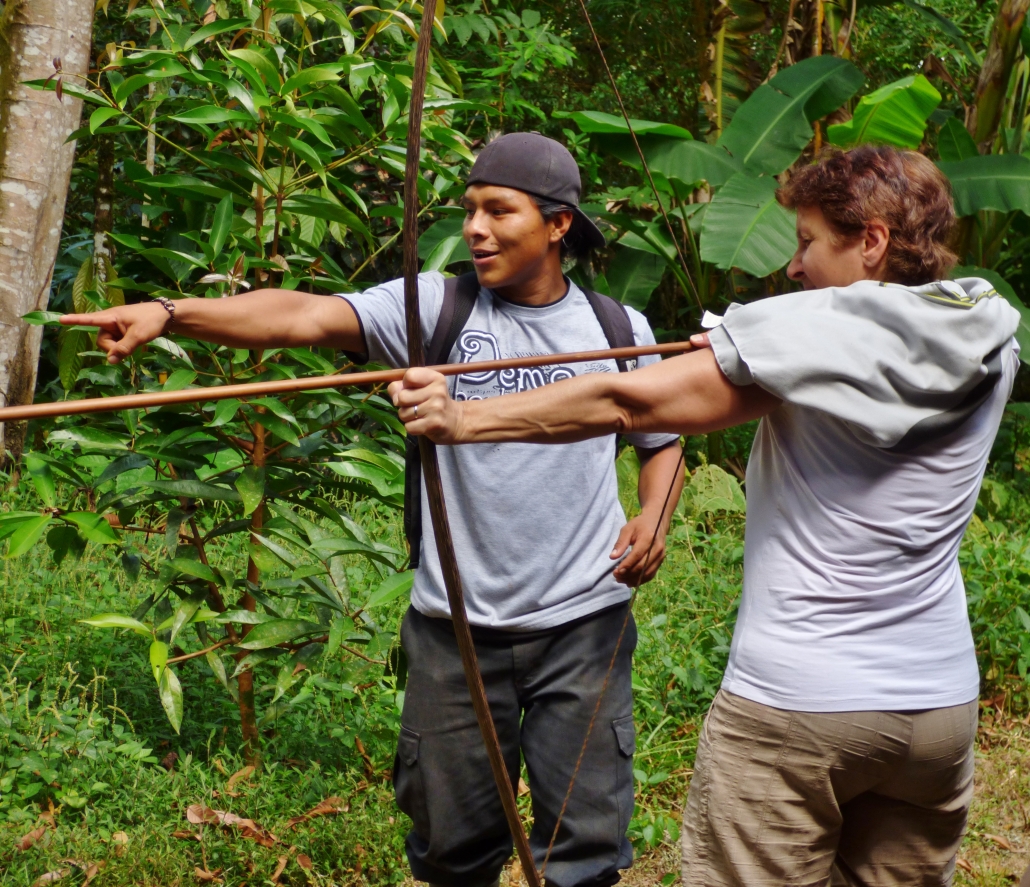
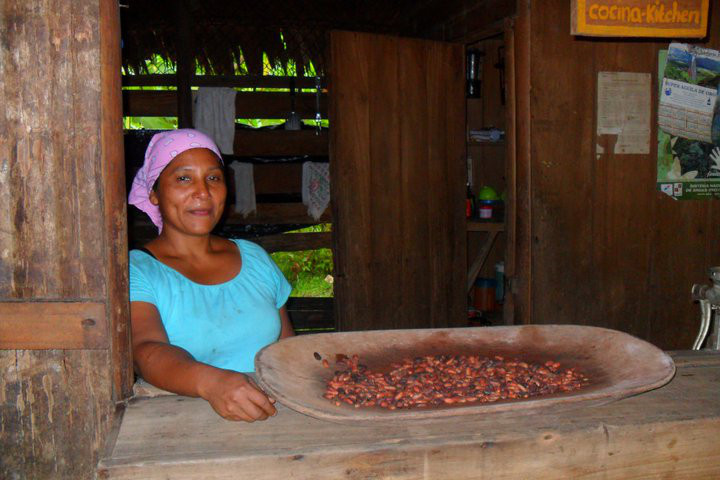
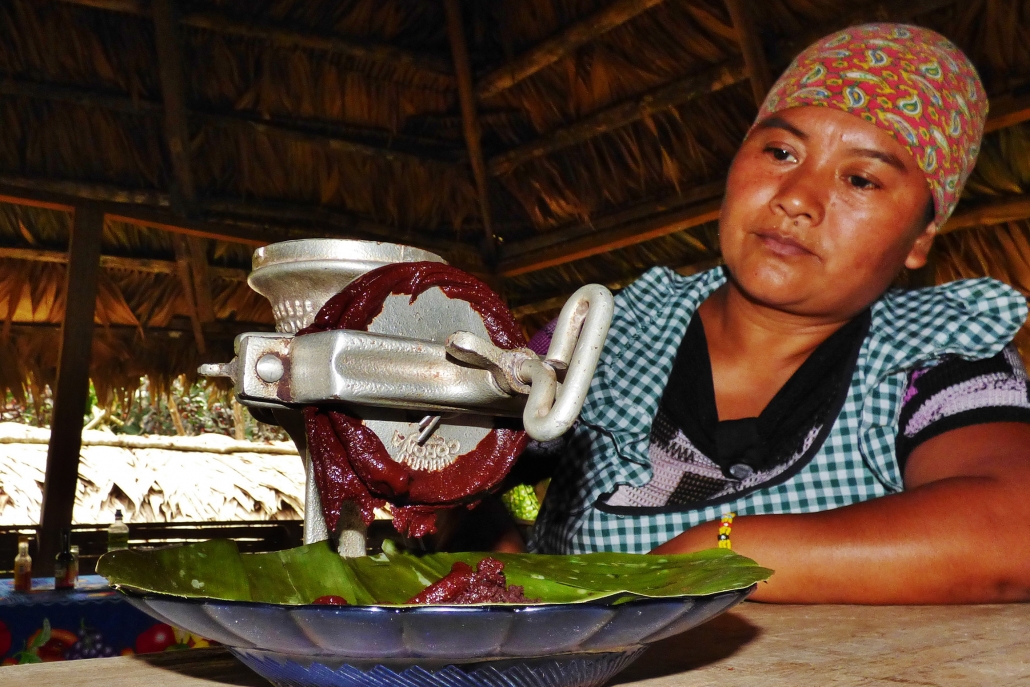
The BriBri and Cabecar people of the Talamanca now speak Spanish, wear western clothes, and participate in regional political and economic life. However, even with much more contact with outsiders, their religious ceremonies, ancient traditions, and oral histories continue to be passed on from generation to generation. Many BriBri and Cabecar communities are again teaching their youth to speak the languages of their ancestors.
Alta Talamanca
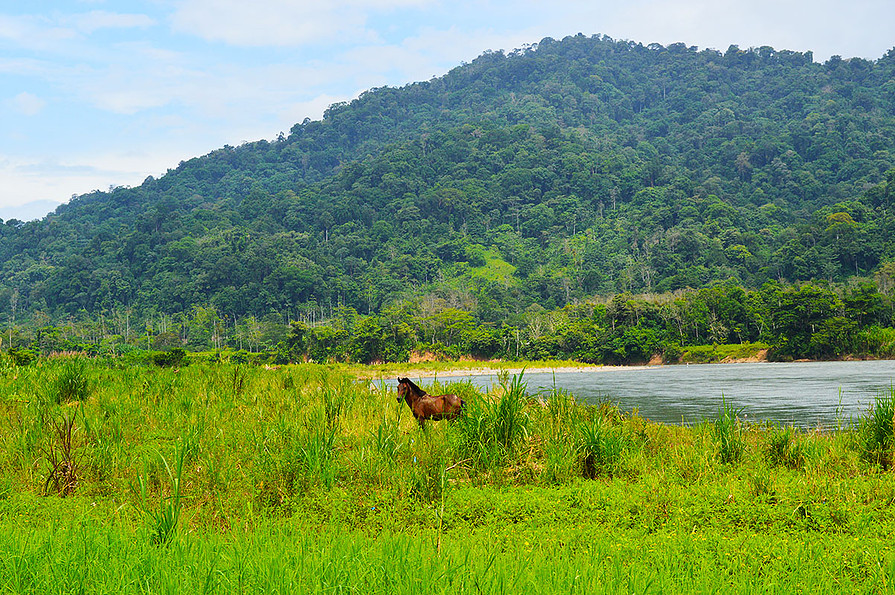
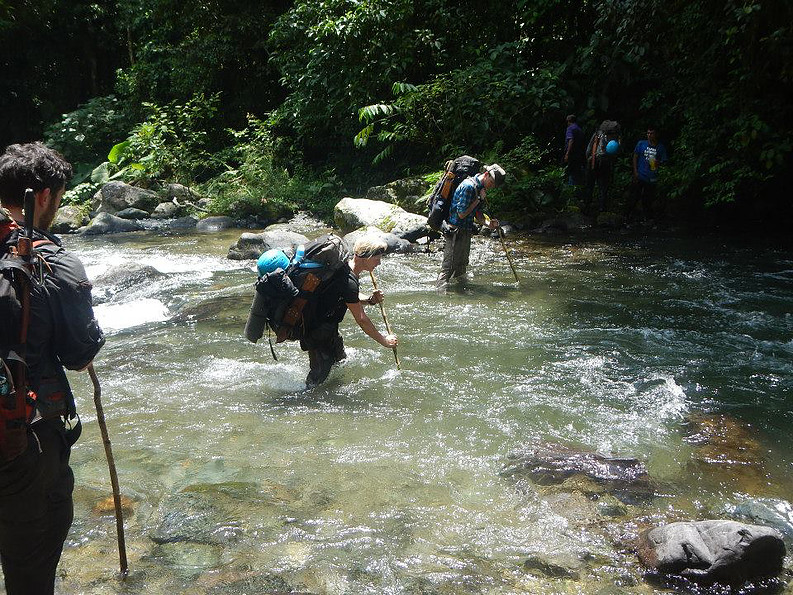
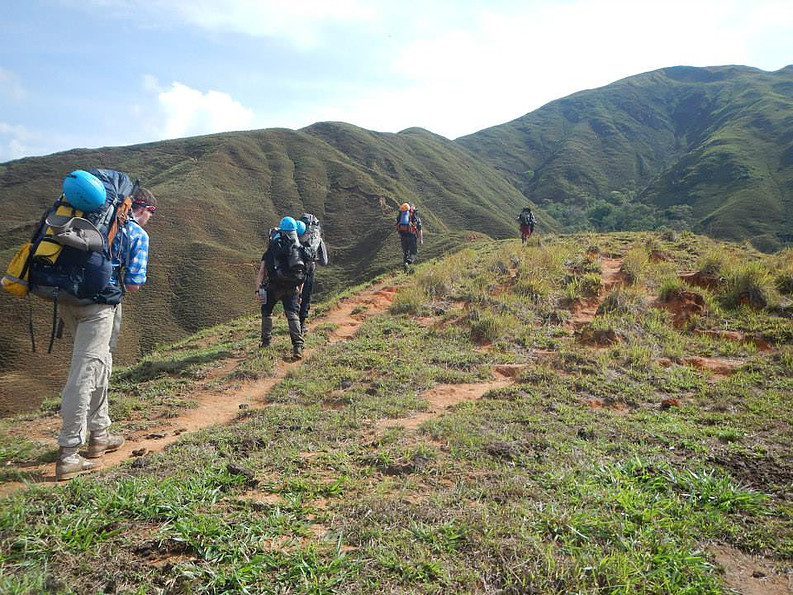
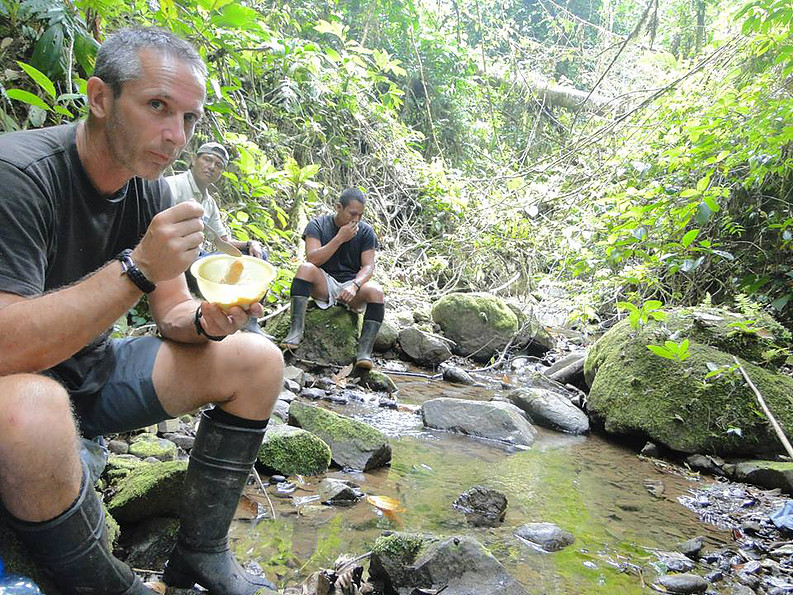
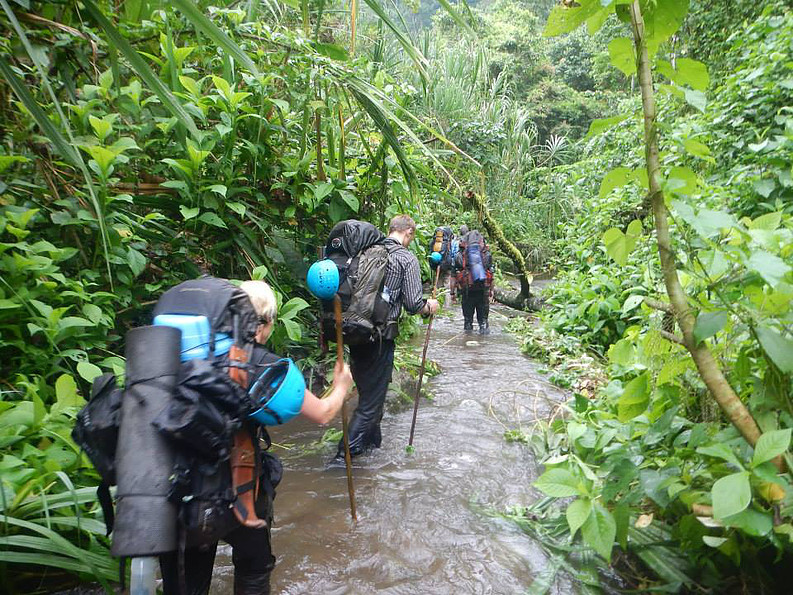
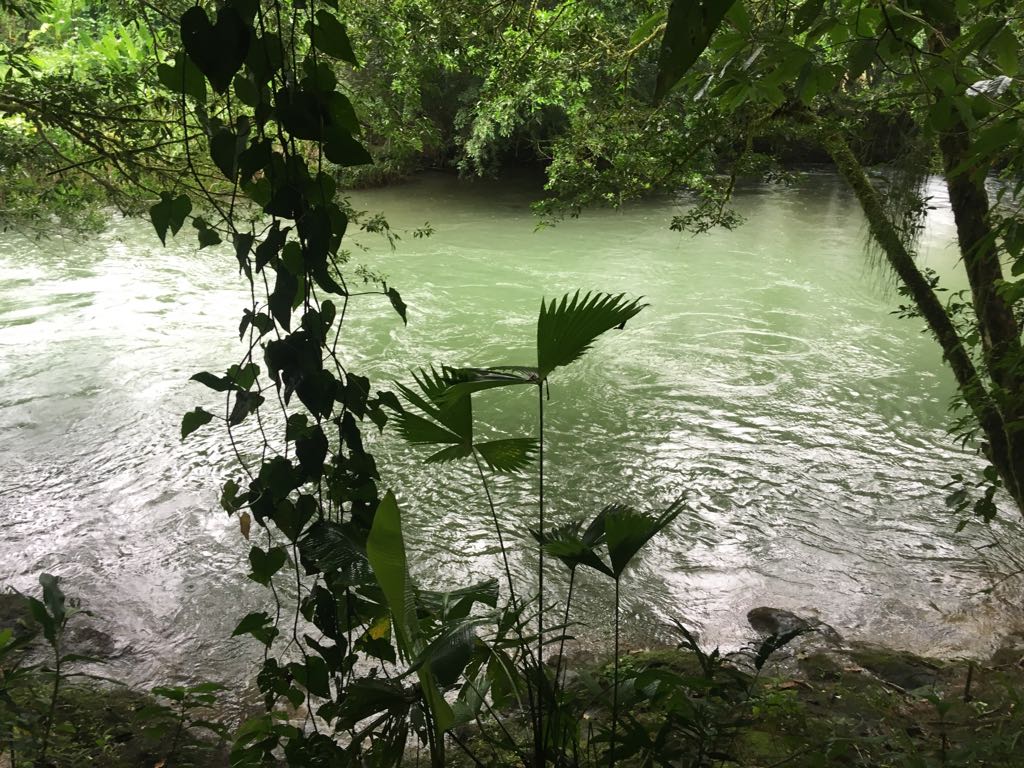
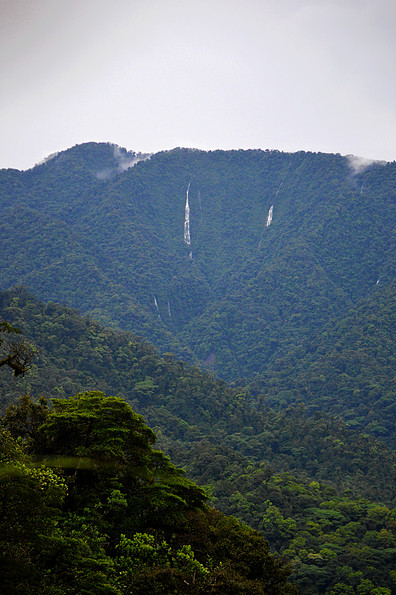
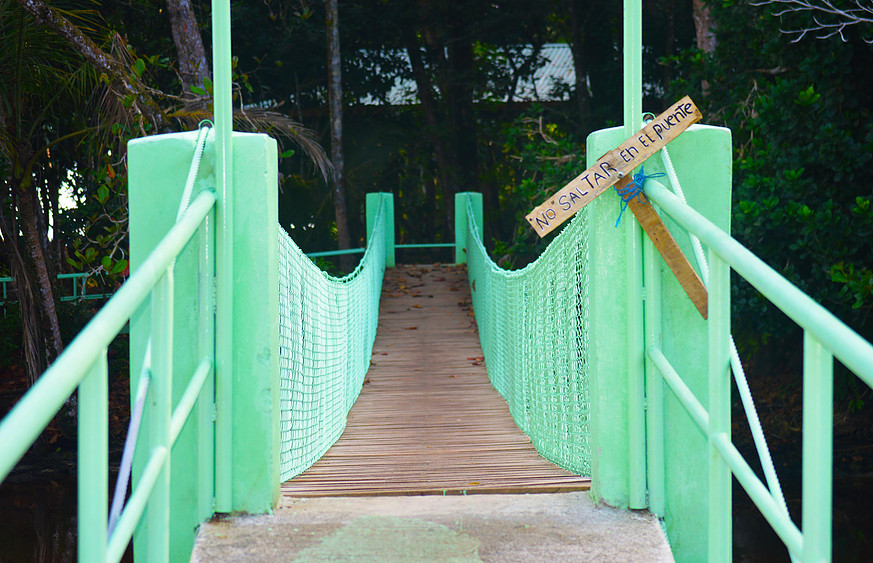
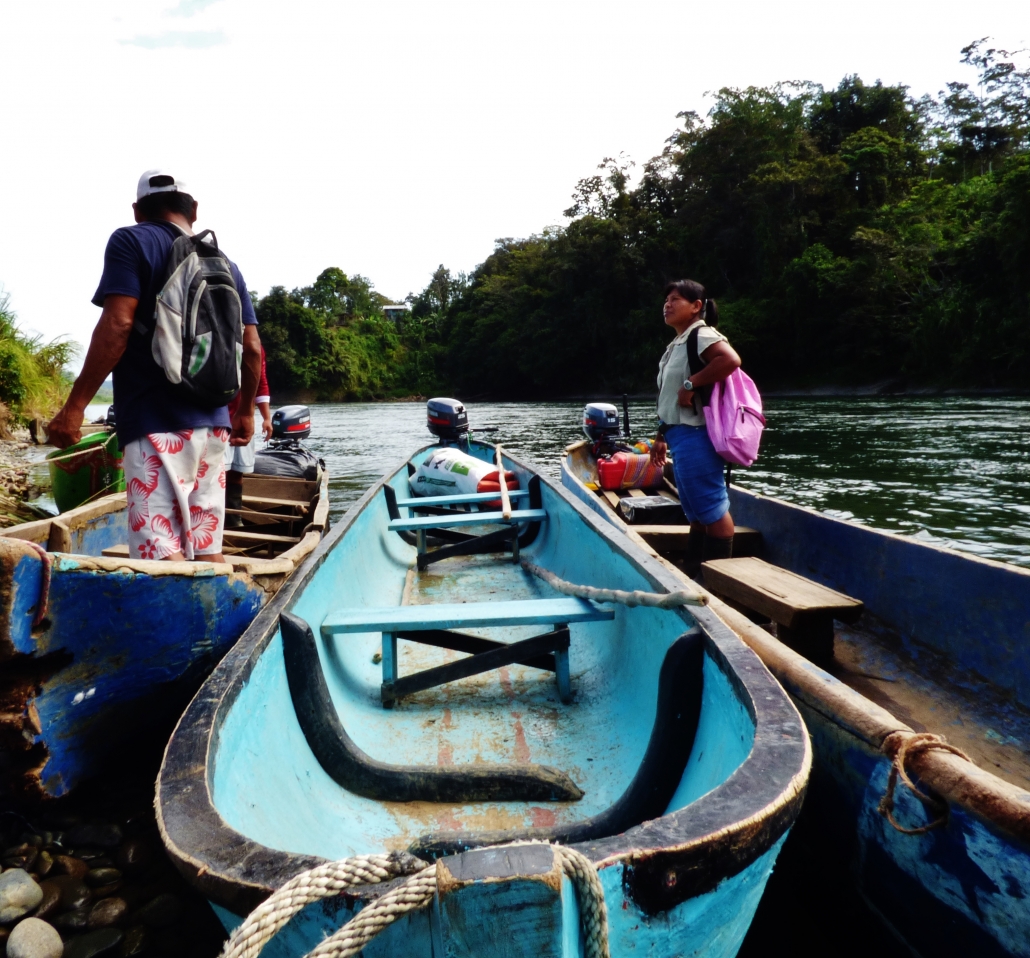
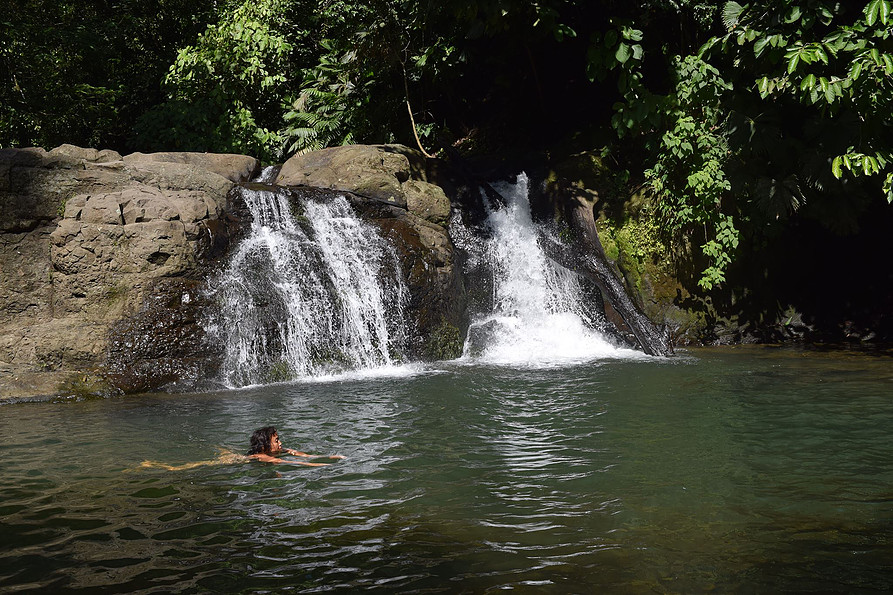
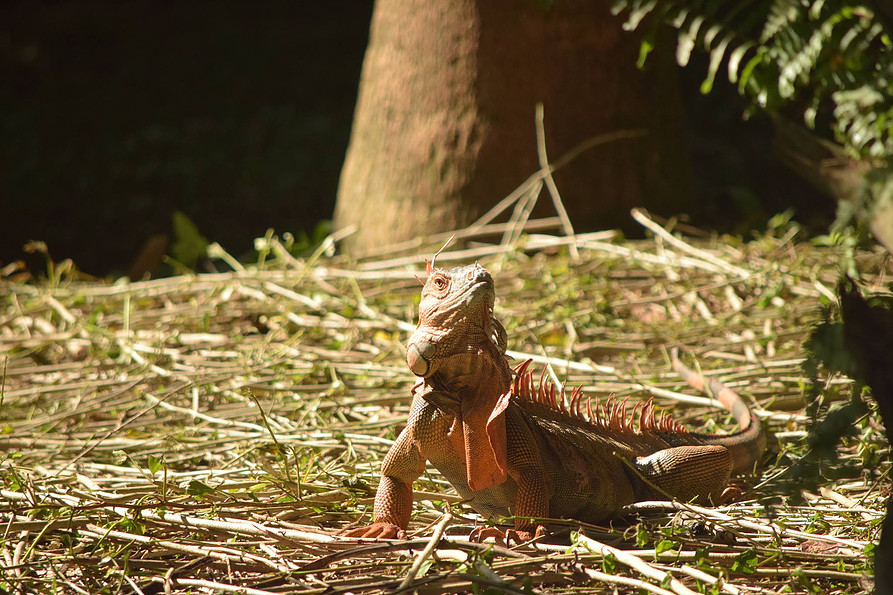
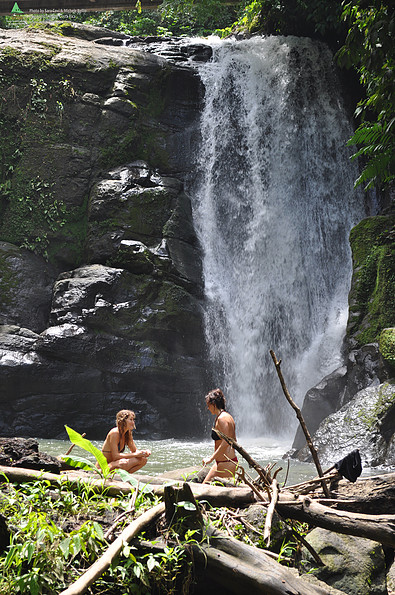
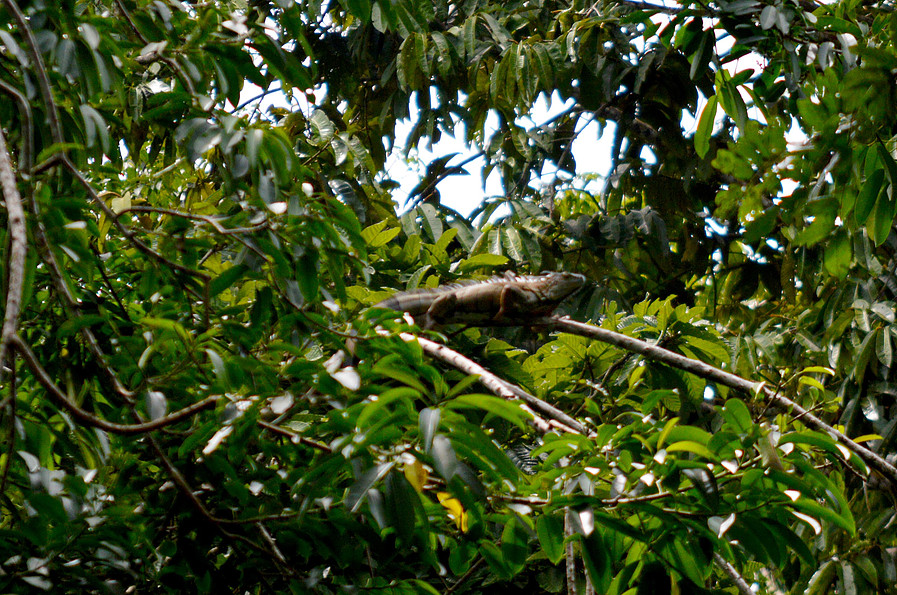
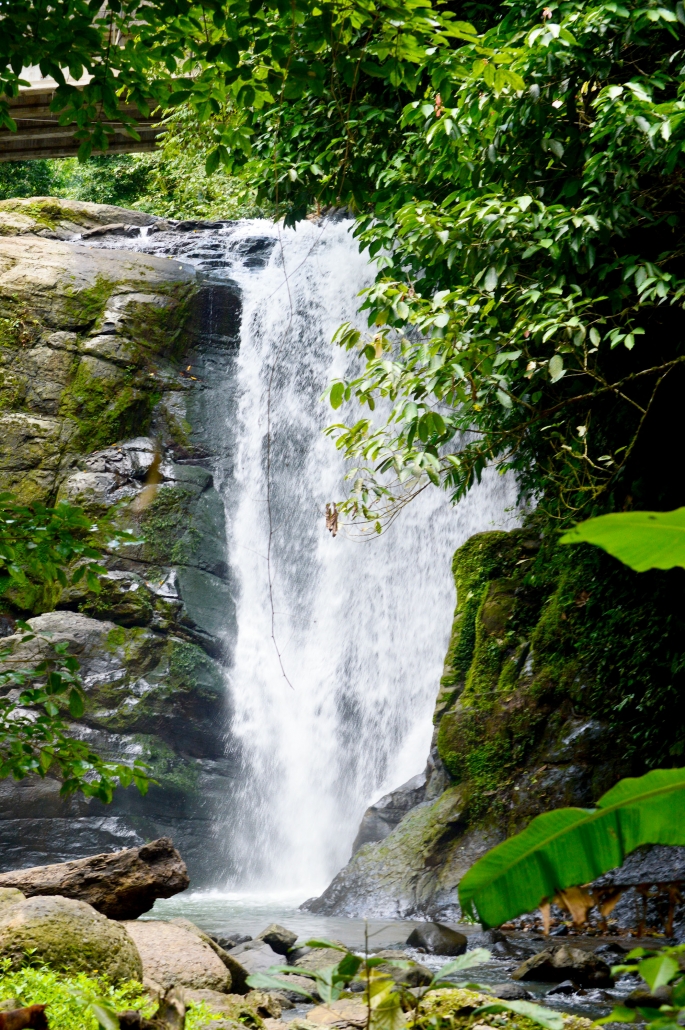
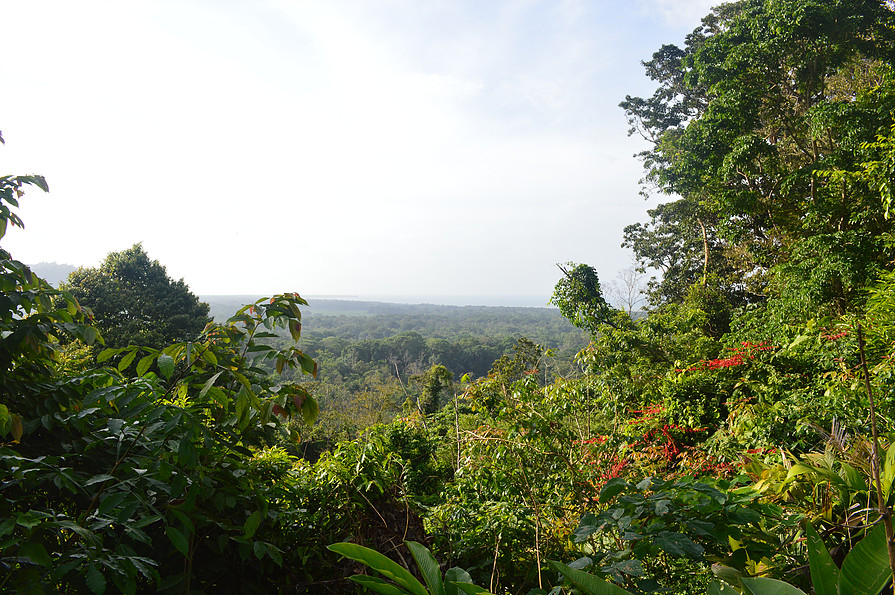
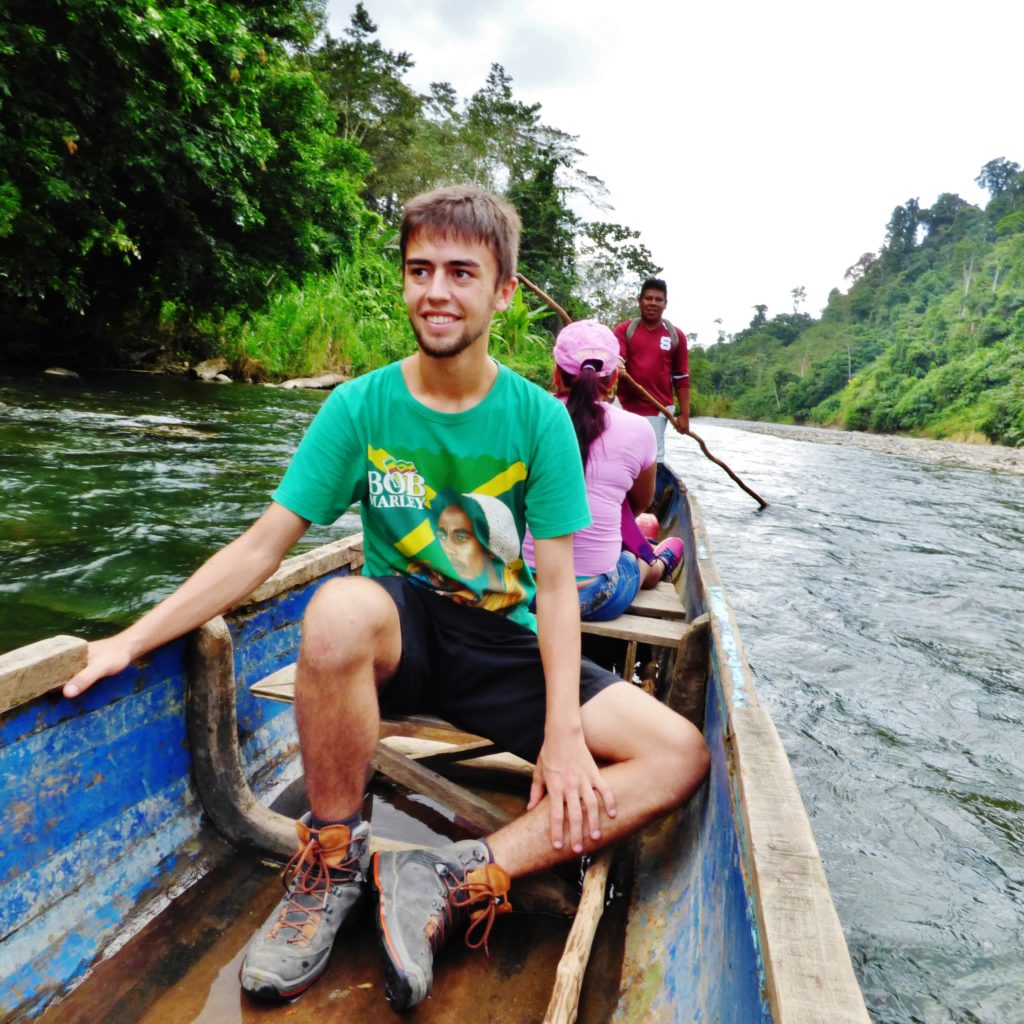
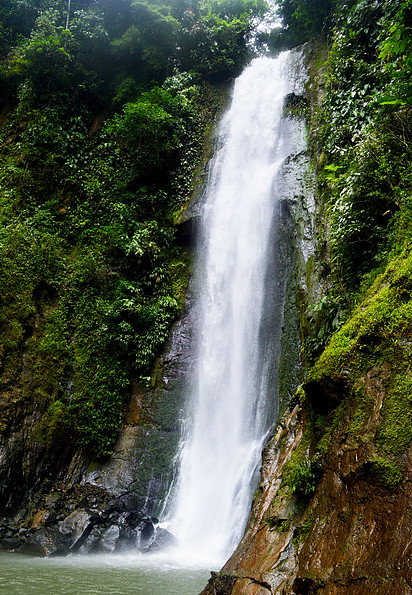
88% of Talamanca’s territory is protected with the biggest parts in the mountainous areas (therefore ‘Alta’= high) which Alta Talamanca is referred to. This is home to some of the highest mountaintops in Costa Rica, namely in La Amistad and Chiripó National Parks and in the Alta Talamanca Bribri, Telire and Cabecar Indigenous Territories. Some of these areas belong to the most rugged and rarley visted primary rain- and cloud-forest covered areas of Costa Rica. With stunning landscapes, steep trails and an abundance of rivers and creeks, some areas can only be crossed by traditional hanging bridge or simply wading through the water (sometimes knee-deep and sometimes waste-deep).
This is a great place to do longer mountain hikes and trekking tours for the more experienced and adventurous visitor. We strictly recommended these excursions be done with knowledgable indigenous guides and appropriate equipment.
“Ìs be’ shkẽ̀nã“
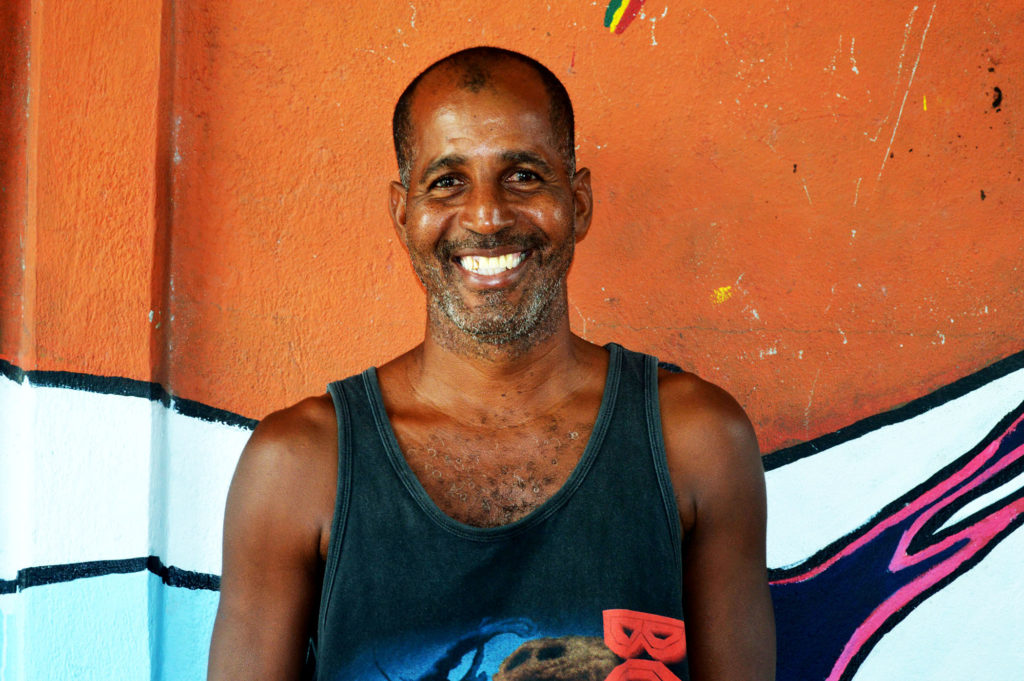
“How are you” in the BriBri language. BriBri people are indigenous to the mountains of Talamanca.